

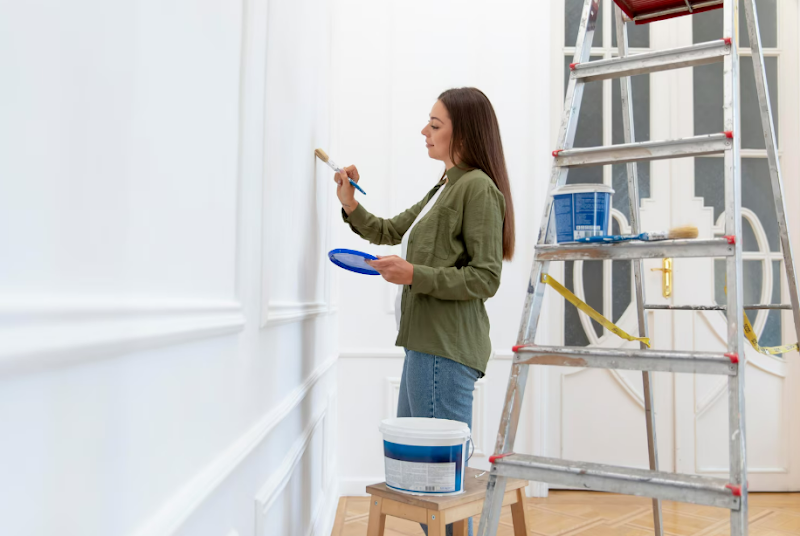
Your office walls communicate more than you may realise. Before a single word is spoken, clients and employees form strong opinions based on what they see. Faded paint, visible cracks, and tired colours all signal neglect. In contrast, fresh and well-maintained walls project professionalism and careful attention to detail.
Many business owners miss early warning signs until minor issues become costly problems down the line. Knowing exactly when to call a commercial painter saves money and protects your business image. This guide reveals 10 clear signs your Singapore office needs repainting, helping you take prompt action before damage escalates further.
Key Takeaways
- Visible paint damage like cracks, peeling, and bubbling requires immediate attention
- Fading and discolouration affect how clients perceive your business
- Singapore’s tropical climate accelerates paint deterioration
- Proactive commercial painting prevents expensive repairs later
- Professional assessment ensures accurate diagnosis and lasting results
- Most office interiors need repainting every 3-5 years
Why Office Paint Condition Matters
Your workspace appearance directly impacts business success. The physical environment influences employee productivity and client trust.
In Singapore, the challenge intensifies. High humidity and intense sunlight wear down paint faster than in temperate climates. What lasts 7 years elsewhere may need attention in 4-5 years here. This makes partnering with experienced SG painting professionals essential for maintaining your commercial space.
The 10 Signs Your Office Needs Repainting
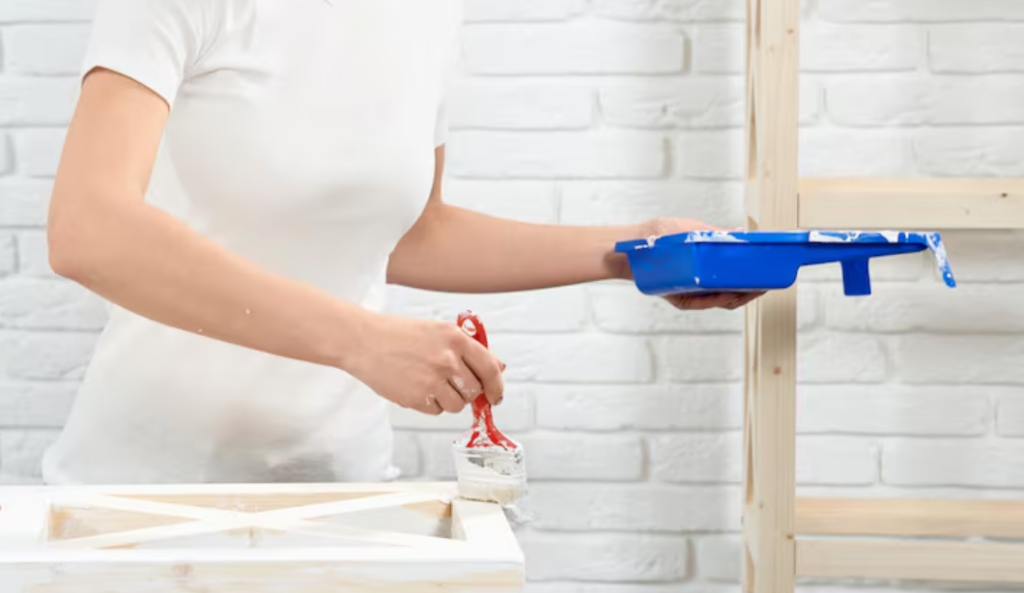
Sign #1: Cracks Spreading Across Your Walls
Wall cracks are among the earliest warning signs. They appear as:
- Hairline cracks: Fine lines, often near corners or door frames
- Spider web patterns: Multiple small cracks radiating outward
- Deep cracks: Wider gaps that may indicate structural movement
Why it happens: Building settlement, temperature changes, and poor previous preparation all contribute. In Singapore, constant air-conditioning cycling causes walls to expand and contract repeatedly.
What to do: Hairline cracks can wait a few months. Deep or spreading cracks need a commercial painter’s assessment promptly to prevent moisture intrusion.
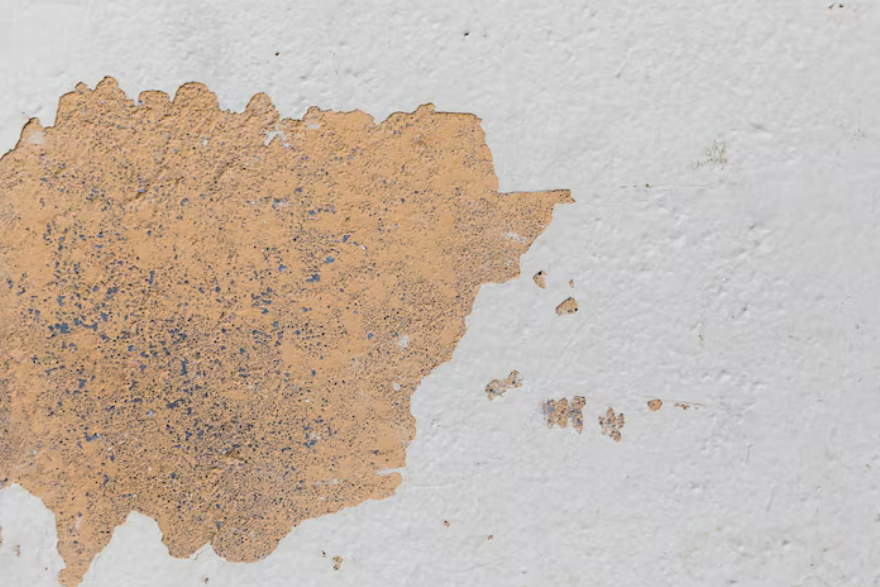
Sign #2: Paint Peeling or Flaking Off
When paint lifts away from walls, touch-ups won’t solve the problem. You’ll notice:
- Curling edges pulling away from surfaces
- Paint chips falling onto floors
- Exposed patches showing previous colours or bare wall
Common causes:
| Cause | Description |
| Moisture | Trapped water pushing paint film outward |
| Incompatible layers | Oil-based paint applied over latex |
| Poor preparation | Dust or grease preventing adhesion |
This issue demands complete removal and proper reapplication. Professional commercial painting ensures correct preparation and product selection for lasting results.
Sign #3: Bubbling or Blistering Surfaces
Bubbles beneath paint indicate active problems requiring urgent attention. Look for:
- Raised bumps that feel soft when pressed
- Clusters near windows, kitchens, or bathrooms
- Blisters that break open when touched
Why this is serious: Bubbling signals moisture behind your walls. In Singapore’s humidity, this creates perfect conditions for mould growth and potential structural damage.
Simply painting over bubbles fails. The moisture source must be identified and fixed first. Reliable painting in Singapore addresses root causes, not just surface symptoms.
Sign #4: Noticeable Fading and Colour Loss
UV radiation breaks down paint pigments over time. Signs include:
- Walls near windows significantly lighter than interior walls
- Uneven colour across the same surface
- Complete loss of original vibrancy
Which colours fade fastest:
- Reds and bright yellows — most vulnerable
- Blues and greens — moderate fading
- Neutrals — show yellowing rather than fading
Singapore’s intense equatorial sunlight accelerates this process dramatically. If your brand colours appear on office walls, fading creates inconsistency that undermines professional image. A skilled commercial painter recommends UV-resistant formulations suited to your space’s light exposure.
Sign #5: Yellowing or Discolouration
White and light-coloured walls eventually turn dingy. This manifests as:
- Cream or yellow tinge on formerly white surfaces
- Grey or brown patches in specific areas
- Overall aged, unclean appearance
Contributing factors:
- Natural oxidation over time
- Cooking fumes from office pantries
- Chemical off-gassing from furniture
- Poor ventilation trapping airborne particles
Discoloured walls feel unclean to visitors, even when spotless. Deep cleaning offers temporary improvement, but fresh commercial painting with stain-blocking primers provides the permanent solution.
Sign #6: Chalking When You Touch the Walls
Chalking occurs when paint’s binding agents break down. Test by running your hand across the wall surface.
Signs of chalking:
- White powdery residue transfers to your palm
- Fine dust accumulates on nearby surfaces
- Dull, flat appearance replacing original sheen
Why it matters: Once chalking begins, paint no longer protects your walls. No amount of cleaning removes the powder because the paint itself is deteriorating.
This requires complete repainting. SG painting experts properly prepare chalky surfaces to ensure new paint adheres correctly.
Sign #7: Stubborn Stains That Won’t Clean
Some marks become permanent residents. Watch for:
- Water stains with defined edges from leaks
- Scuff marks resisting all cleaning attempts
- Ink, coffee, or grease that won’t budge
Common office stain sources:
| Source | Typical Location |
| Water leaks | Ceilings, below windows |
| Beverage spills | Near pantries, meeting rooms |
| Furniture scuffs | Along corridors, near desks |
| Hand oils | Around light switches, door frames |
When stains absorb into paint pores, removal attempts damage the finish further. Minor isolated stains may accept touch-ups, but widespread staining calls for professional repainting with reliable painting Singapore specialists who match existing colours accurately.
Sign #8: Mould or Mildew Growth
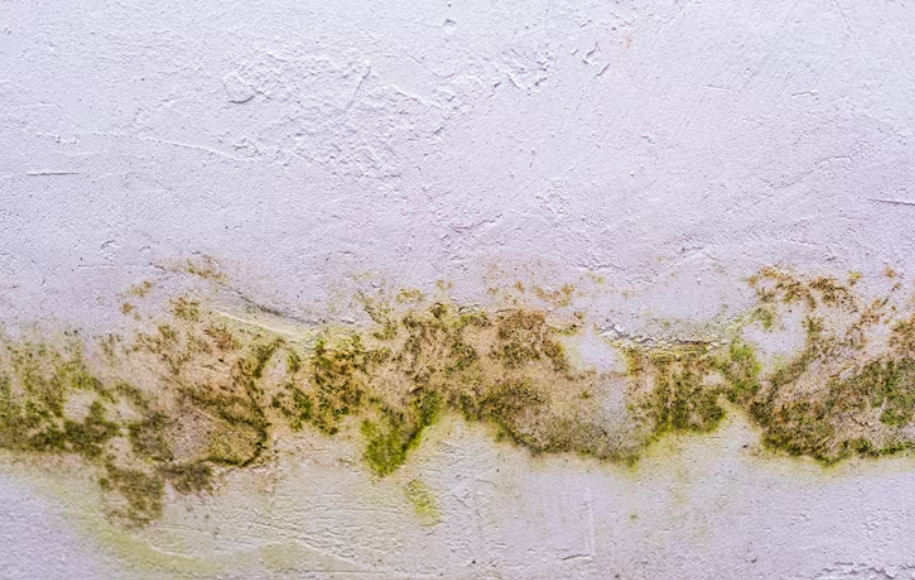
Mould represents both an aesthetic and health concern. Indicators include:
- Black, green, or grey spots on surfaces
- Fuzzy or slimy texture in corners
- Musty smell even without visible growth
Health risks: Mould exposure causes respiratory issues, allergies, and infections. The Singapore Ministry of Health notes indoor air quality directly impacts workplace wellness.
Why painting over mould fails: Mould grows through new paint within weeks. Spores remain active beneath the surface, and the problem returns worse than before.
Proper remediation requires:
- Identifying and eliminating the moisture source
- Professional mould removal treatment
- Applying mould-resistant primer
- Finishing with quality commercial painting
Singapore’s 80%+ humidity creates ideal mould conditions. Air-conditioning condensation is a frequent culprit in office environments.
Sign #9: Outdated Colours Hurting Your Image
Not all repainting triggers involve physical damage. Aesthetic obsolescence matters too.
Signs your palette is dated:
- Colours popular 10+ years ago still dominating
- Walls clashing with updated furniture or branding
- Space feeling tired compared to competitors’ offices
Dated colour indicators:
| Era | Common Choices |
| Early 2000s | Warm beiges, terracotta accents |
| 2010s | Bold feature walls, grey everything |
| Current | Clean neutrals, biophilic greens, warm whites |
Modern palettes signal innovation and relevance. Clients subconsciously associate outdated spaces with outdated thinking.
A colour refresh boosts employee mood, enhances client perception, and creates photo-ready spaces for marketing. Reliable painting in Singapore teams advise on contemporary palettes aligned with your brand identity.
Sign #10: It’s Been 5+ Years Since the Last Paint Job
Even without visible damage, paint protection diminishes over time.
Recommended repainting schedules:
| Space Type | Suggested Frequency |
| High-traffic lobbies | 2-3 years |
| General office areas | 3-5 years |
| Conference rooms | 5-7 years |
| Building exteriors | 5-7 years |
Factors shortening paint lifespan:
- Direct sunlight exposure
- High foot traffic
- Proximity to pantries or kitchens
- Poor ventilation
- Singapore’s tropical humidity
Factors extending paint lifespan:
- Quality products professionally applied
- Good climate control
- Regular cleaning and maintenance
If you’re approaching the 5-year mark, schedule a commercial painter inspection. Prevention costs less than repair.
The Cost of Ignoring These Signs
Delaying repainting creates compounding problems:
Financial impact:
- Small cracks become structural repairs
- Surface damage leads to substrate replacement
- Costs multiply with each year of neglect
Business impact:
- Clients judge credibility by environment
- Employee recruitment suffers in tired spaces
- Property valuations decrease with poor maintenance
The smart approach:
- Conduct annual visual inspections
- Budget for scheduled maintenance
- Partner with trusted commercial painting professionals
Choosing the Right Commercial Painter
What to Look For
- Valid licensing and comprehensive insurance
- Proven portfolio of commercial projects
- Understanding of Singapore building regulations
- Clear communication throughout the project
Questions to Ask
- What surface preparation is included?
- Which paint brands do you recommend and why?
- How will you minimise disruption to our operations?
- What warranty covers your workmanship?
Why Professional Assessment Matters
Trained eyes spot issues you might miss. Accurate scoping prevents surprise costs, and proper diagnosis ensures lasting results. Expert SG painting professionals advise on appropriate products and realistic timelines for your specific situation.
Frequently Asked Questions
How often should a commercial building be repainted?
Interior spaces typically need repainting every 3–5 years, though this varies based on foot traffic, wall contact and cleaning frequency. High-traffic areas like lobbies, corridors and lift landings may require attention every 2–3 years as constant use accelerates wear. Exterior surfaces generally last 5–7 years, with sun-facing walls deteriorating faster than shaded sections. Singapore’s high humidity and intense UV exposure often shorten these timelines compared to temperate climates, making regular inspections essential. Food and beverage establishments, healthcare facilities and schools may need more frequent repainting to maintain hygiene standards and professional appearances. Establishing a proactive maintenance schedule prevents minor issues from becoming costly repairs.
How do you know when a building needs repainting?
Several visual indicators signal that repainting is overdue. Look for cracking, bubbling or peeling paint, which suggests adhesion failure or moisture problems beneath the surface. Noticeable fading, especially on sun-exposed walls, diminishes your building’s professional appearance and brand image. Chalky residue when you run your hand across exterior walls indicates paint breakdown from UV exposure. Mould or mildew growth, common in Singapore’s humid climate, requires immediate attention as it spreads quickly and poses health risks. If your last paint job was over five years ago, schedule a professional assessment even without obvious damage—early intervention prevents extensive surface preparation costs later.
What is the best paint for commercial buildings?
The best paint depends on your building’s specific requirements and environmental conditions. For Singapore’s climate, acrylic latex paints offer excellent durability, moisture resistance and breathability for interior applications. Exteriors benefit from elastomeric coatings that expand and contract with temperature changes, or 100% acrylic formulations that resist tropical weather extremes. High-humidity spaces like kitchens, washrooms and covered car parks need specialised anti-mould formulations to prevent fungal growth. Industrial facilities may require epoxy or polyurethane coatings for chemical resistance and easy cleaning. A professional commercial painter assesses your space’s unique conditions, traffic patterns and maintenance capabilities before recommending specific products that balance performance with budget.
How long does a commercial painting project take?
Project duration depends on space size, surface condition and scope of work. A typical office of 1,000–2,000 square feet takes 3–5 days for interior painting, including preparation and drying time. Larger commercial spaces like warehouses, retail stores or multi-storey buildings may require 2–4 weeks or longer. Extensive preparation work such as crack repair, priming damaged surfaces or removing old wallpaper adds significant time to the schedule. Weather conditions affect exterior projects, as rain delays application and humidity extends drying times between coats. Your commercial painter should provide a realistic timeline during the quotation process, factoring in your operational constraints and any after-hours scheduling requirements.
How do I choose a reliable commercial painting contractor?
Start by verifying credentials, including business registration, insurance coverage and relevant certifications for commercial work. Review their portfolio for projects similar to yours in scale and industry, as painting an office differs significantly from a food establishment or industrial facility. Request references from recent commercial clients and follow up to ask about workmanship quality, timeline adherence and communication throughout the project. Obtain detailed written quotations from at least three contractors, ensuring each covers the same scope including surface preparation, number of coats and paint specifications. Be cautious of quotes significantly below market rate, as this often indicates corners cut on materials or labour. A reliable contractor conducts a thorough site inspection before quoting and clearly explains their process, timeline and warranty terms.
Ready to Transform Your Office?
Spotted any of these signs? Don’t wait for small issues to become expensive problems. Athena Best Painting Services delivers expert commercial painting across Singapore. Our experienced team handles everything from initial assessment to final coat, minimising disruption to your daily operations.
Get Your Free Assessment Today
Phone: +65 9247 1009
Email: athenateamcleaning@gmail.com
Address: 2 Venture Drive, #14-02, Vision Exchange, Singapore 608526
Explore Our Services:
Related Article:The Importance of Regular Commercial Painting for Maintaining Your Business’s Image