

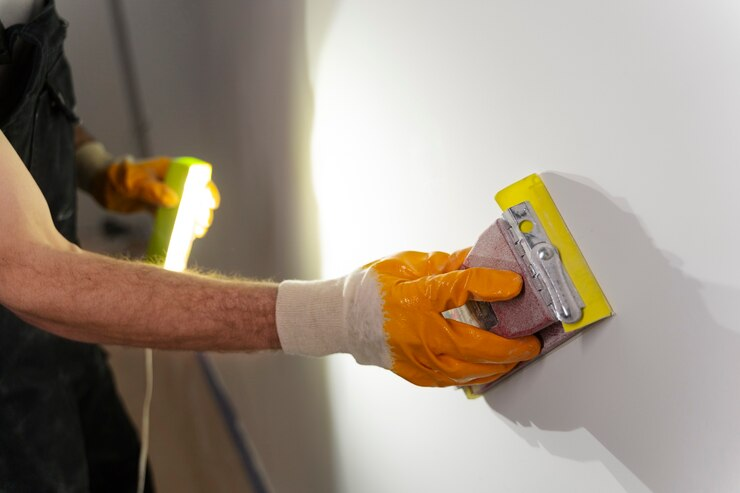
Wall plastering is one of the most crucial steps in ensuring that your home’s walls are smooth, durable, and ready for painting or decoration. A well-plastered wall not only enhances the aesthetics of a room but also protects the structure from damage caused by moisture, cracks, and other wear and tear. Whether you’re repairing a crack, working on a renovation, or starting a new project, mastering wall plastering techniques can save you time and money.
For homeowners, painters, and business owners, this guide will provide step-by-step instructions, highlight common mistakes, and explain why professional services like Athena Best Painting Services are the go-to solution for achieving flawless results.
What Is Wall Plastering and Why Is It Important?
Wall plastering is the process of applying a plaster material to a wall or ceiling to create a smooth, level surface. This surface acts as a base for painting, wallpaper, or decorative finishes while protecting the wall’s structure from damage caused by moisture or external factors.
Key Benefits of Wall Plastering:
- Durability: A properly plastered wall is less prone to cracks, chips, and wear over time.
- Aesthetic Appeal: Smooth walls offer a professional, clean look that enhances the beauty of your space.
- Moisture Protection: Plaster acts as a barrier against water infiltration, which can lead to mould and structural damage.
- Repair and Restoration: Plastering is also crucial for repairing damaged or uneven walls, ensuring they’re ready for finishing.
The Different Methods of Plastering
Plastering is a versatile process with multiple methods tailored to specific needs, finishes, and structural requirements. Each method serves a unique purpose, and selecting the right one depends on factors such as the condition of the wall, the desired aesthetic, and whether the project involves internal or external surfaces. Below is an in-depth explanation of the most commonly used plastering methods:
1. Dry Plastering
Overview:
Dry plastering involves attaching plasterboards (also known as drywall or gypsum boards) to the wall using screws, nails, or adhesive. This method eliminates the need for wet materials, making it a quick and efficient choice for modern construction.
Advantages:
- Quick installation, reducing project time significantly.
- Minimal drying time since no wet materials are involved.
- Lightweight and easy to handle, making it ideal for DIY projects.
Disadvantages:
- Less durable compared to wet plastering and prone to impact damage.
- Visible seams if not finished properly.
Best For:
- Modern construction projects, particularly in homes and offices.
- Areas where speed and efficiency are priorities.
2. Wet Plastering
Overview:
Wet plastering is a traditional method where a mixture of plaster (typically cement, lime, or gypsum) and water is applied directly to the wall. This method provides a durable, smooth finish that can last for decades with proper care.
Advantages:
- Extremely durable and resistant to wear and tear.
- Provides a seamless, smooth finish ideal for high-end interiors.
- Allows for intricate decorative work such as mouldings.
Disadvantages:
- Labour-intensive and time-consuming.
- Requires skilled application to achieve a professional finish.
- Longer drying time compared to other methods.
Best For:
- Restoring older buildings.
- High-quality finishes in living rooms, kitchens, or other prominent spaces.
3. Venetian Plastering
Overview:
Venetian plastering is a decorative technique that uses a mixture of slaked lime, marble dust, and other natural ingredients to create a smooth, polished surface resembling marble. Originating in Italy, this method is highly valued for its luxurious and textured appearance.
Advantages:
- Creates a luxurious, high-end finish.
- Durable and resistant to moisture when sealed properly.
- Available in various textures and finishes, from matte to high-gloss.
Disadvantages:
- Expensive due to the materials and expertise required.
- Labour-intensive and time-consuming.
Best For:
- Upscale interiors such as boutique hotels, luxury homes, or feature walls.
- Spaces where aesthetics are a priority.
4. Cement Plastering (Exterior Plastering)
Overview:
Cement plastering is the most common method for external walls. It uses a mixture of cement, sand, and water to create a strong, weather-resistant surface.
Advantages:
- Highly durable and weather-resistant.
- Affordable and easy to apply.
- Can be textured for decorative effects.
Disadvantages:
- Prone to cracking if not applied correctly.
- Requires regular maintenance in humid or coastal regions.
Best For:
- Exterior walls of homes, offices, and commercial buildings.
- Surfaces exposed to harsh weather conditions.
5. Lime Plastering
Overview:
Lime plastering is an eco-friendly method that uses lime, sand, and water. Known for its breathability and flexibility, this traditional method is often used in heritage restoration projects.
Advantages:
- Highly breathable, making it ideal for older buildings.
- Flexible and resistant to cracking.
- Natural anti-bacterial and anti-mould properties.
Disadvantages:
- Slower curing process compared to cement-based plasters.
- Requires skilled labour for proper application.
Best For:
- Heritage buildings or restorations.
- Walls in damp areas, as the material resists mould and moisture damage.
6. Gypsum Plastering
Overview:
Gypsum plastering is a modern alternative to traditional cement or lime plastering. It uses gypsum powder mixed with water, offering a smooth finish ideal for interior walls.
Advantages:
- Fast-drying, allowing for quicker project completion.
- Lightweight and easy to work with.
- Provides excellent insulation properties.
Disadvantages:
- Not suitable for external walls due to its lower moisture resistance.
- Can be more expensive than cement plastering.
Best For:
- Interior walls and ceilings in residential or commercial spaces.
Which Plastering Method Should You Choose?
The choice of plastering method depends on factors like the location (interior or exterior), wall condition, and desired finish. For quick projects, dry plastering is ideal. For a durable and robust finish, wet plastering or cement plastering works best. Decorative finishes are best achieved with Venetian plastering or gypsum plastering, while restoration projects benefit from lime plastering.
If you’re unsure which method is right for your project, contact Athena Best Painting Services for expert guidance and professional application.
The Essential Tools for Wall Plastering
A successful plastering project begins with having the right tools. Below are the essentials:
- Trowels: Used for applying, spreading, and smoothing plaster. Look for a stainless steel trowel for durability.
- Hawks: A handheld platform to hold plaster while working.
- Mixing Buckets: Ensure you have a sturdy bucket for preparing plaster.
- Plaster Mixer: A power mixer ensures a consistent, lump-free plaster mix.
- Plastering Floats: For smoothing out plaster layers and creating a polished finish.
- Joint Knives: Useful for detailed work, such as corners and edges.
Investing in high-quality tools can significantly improve your efficiency and the final result.
How to Plaster a Wall – Step-by-Step Guide
Plastering is a multi-step process that requires precision and patience to achieve a smooth, durable, and long-lasting finish. Each stage builds upon the previous one, ensuring the wall is prepared, levelled, and polished to perfection.
Whether you’re plastering for the first time or working on a professional project, understanding these 7 stages of plastering is essential for success. If you’re wondering how to plaster a wall, follow these detailed steps to ensure a professional finish:
1. Surface Preparation
Why It’s Important:
The foundation of a great plastering job begins with proper wall preparation. If the surface isn’t clean, smooth, and primed, the plaster won’t adhere properly, leading to cracks, uneven finishes, or peeling over time.
Steps:
- Clean the Wall: Remove dirt, grease, dust, and loose particles from the surface. For older walls, use a wire brush or scraper to clear any flaky paint or plaster remnants.
- Fill Cracks and Holes: Use a filler or patching plaster to seal any gaps, cracks, or holes in the wall. Allow it to dry completely.
- Dampen the Wall: Spray the wall with water to prevent it from absorbing moisture too quickly from the plaster. For highly absorbent surfaces like brick or block, dampening is essential.
- Apply a Bonding Agent: Use a PVA (polyvinyl acetate) solution or a specialised bonding agent to enhance adhesion between the plaster and the wall. Allow it to dry slightly until tacky before applying the first coat.
2. Application of the Bonding Coat (Scratch Coat)
Why It’s Important:
The scratch coat provides a base layer that bonds securely to the wall while creating a key (textured surface) for the next layer to grip.
Steps:
- Mix the Plaster: Combine plaster powder with water until you achieve a smooth, lump-free consistency. Use a power mixer for best results.
- Apply the Coat: Use a trowel to spread a thin layer of plaster (6–10 mm thick) evenly over the surface. Work from the top down to avoid drips or uneven patches.
- Create the Scratch Texture: Once the coat is partially set, use a scratching comb or notched trowel to create horizontal or diagonal grooves across the surface. These grooves improve the adhesion of subsequent layers.
Key Tip:
Don’t let the scratch coat dry out completely before applying the next layer. It should be firm but not overly dry.
3. Applying the Brown Coat (Levelling Layer)
Why It’s Important:
The brown coat, also known as the levelling layer, is where most of the wall’s thickness and evenness are established. This coat ensures that the surface is levelled and any irregularities are corrected.
Steps:
- Prepare the Mix: Use a slightly thicker plaster mix compared to the scratch coat.
- Apply the Plaster: Spread the plaster evenly over the scratch coat, building up the desired thickness (8–10 mm).
- Screed the Surface: Use a screeding tool or a straight edge to level the plaster, ensuring it is smooth and even. Start at the bottom and move upwards in long, sweeping motions.
- Check for Level: Use a spirit level to confirm that the surface is even. Adjust any areas that appear uneven before the plaster sets.
Key Tip:
Avoid overworking the plaster during this stage, as it may pull away from the scratch coat and create weak points.
4. Finishing and Smoothing the Brown Coat
Why It’s Important:
Before moving to the final coat, the brown coat needs to be smoothed and prepped to ensure a seamless finish. This step ensures there are no bumps, ridges, or visible lines in the base layer.
Steps:
- Float the Surface: Use a plastering float to gently smooth the brown coat, removing ridges or imperfections. Circular motions work best.
- Add Water if Necessary: Lightly mist the plaster with water to reactivate the surface if it begins to dry too quickly.
- Double-Check for Smoothness: Look for any visible imperfections and correct them at this stage.
5. Application of the Final Coat (Finish Coat)
Why It’s Important:
The finish coat is the top layer of plaster that provides the smooth, polished appearance ready for painting or decorating. This layer is extremely thin but must be applied with precision for a flawless result.
Steps:
- Mix the Final Coat: Create a smooth, thin mixture using gypsum plaster or finishing plaster.
- Apply the Coat: Use a finishing trowel to spread a very thin layer (approximately 2–3 mm) over the brown coat. Work in small sections to ensure even coverage.
- Smoothing: While the plaster is still wet, go over it with a clean trowel to remove any ridges or imperfections.
Key Tip:
Keep your trowel slightly damp to avoid dragging the plaster or leaving marks.
6. Polishing the Surface
Why It’s Important:
Polishing gives the wall its final, flawless look, ensuring it’s completely smooth and free of any imperfections. This step is critical for achieving a professional finish.
Steps:
- Trowel the Surface: As the plaster begins to set, use a finishing trowel to polish the surface.
- Add a Fine Mist of Water: Spray a small amount of water onto the plaster as you polish to keep the surface workable and achieve a mirror-like finish.
- Inspect the Surface: Check for any inconsistencies, lines, or marks and address them before the plaster sets completely.
7. Curing and Drying
Why It’s Important:
Curing ensures the plaster sets properly without cracking or weakening, while drying prepares it for the final decoration. Rushing this stage can compromise the durability and appearance of the plaster.
Steps:
- Allow Time to Dry: Plaster typically takes 24–48 hours to dry, depending on the room’s temperature and humidity. For thicker layers, drying can take up to a week.
- Keep the Area Ventilated: Ensure good airflow in the room, but avoid direct sunlight or strong drafts, as these can cause the plaster to dry unevenly or crack.
- Check for Moisture Content: Before painting or decorating, ensure the plaster is fully cured. Fresh plaster will appear darker; it’s ready when the colour lightens evenly across the surface.
Key Tip:
Never paint or wallpaper over plaster that hasn’t dried fully, as this can trap moisture and lead to peeling or mould growth.
Why These Stages Are Critical
Each of these 7 stages serves a specific purpose in ensuring that the plastering process results in a smooth, strong, and long-lasting finish. Skipping or rushing any stage can lead to:
- Poor adhesion, causing the plaster to flake or crack.
- Uneven surfaces that are difficult to paint or decorate.
- Structural issues over time, particularly in areas exposed to moisture or heavy use.
By following these steps, you can achieve professional results whether you’re plastering a small patch or an entire wall. For those seeking expert assistance, Athena Best Painting Services ensures each stage is executed flawlessly for exceptional, long-lasting results.
How to Repair Cracks in Plaster Walls
Cracks in plaster walls can occur due to age, structural movement, or poor initial application. Follow these steps to repair cracks in plaster walls effectively:
- Inspect and Clean: Widen the crack slightly with a putty knife and remove debris.
- Apply Filler: Use a flexible filler that can expand and contract with the wall.
- Sand the Area: Once the filler is dry, sand it smooth to match the surrounding surface.
- Re-plaster if Necessary: For large cracks, apply a thin plaster coat over the repair for a seamless look.
This method ensures that cracks are repaired effectively, preventing further damage.
Common Plastering Mistakes to Avoid
Avoid these common mistakes to achieve a professional finish:
- Incorrect Mixing: Always mix plaster to the recommended consistency. Too thick or too thin mixtures can lead to uneven application.
- Skipping Wall Preparation: Failing to clean or prime the wall can result in poor adhesion.
- Applying Too Thick a Layer: This can cause cracks as the plaster dries.
- Rushing the Drying Process: Allow each coat to cure fully before applying the next.
What Is the Difference Between Plastering and Skimming?
Plastering and skimming are often used interchangeably, but they are distinct techniques with unique purposes, applications, and outcomes. Understanding the difference between the two can help you determine which is best suited for your project, whether you’re tackling repairs, enhancing the aesthetics of a space, or preparing walls for decoration.
What Is Plastering?
Plastering is the process of applying a thick layer of plaster to rough or uneven wall surfaces to create a strong, durable, and level base. This method is often used in new construction or renovations where the underlying wall structure is exposed, such as brickwork, cement, or block walls.
Characteristics of Plastering
- Layer Thickness:
- Plastering typically involves applying a layer of 10–20 mm.
- Multiple coats may be applied, including the scratch coat (bonding layer), brown coat (levelling layer), and finish coat.
- Materials Used:
- Common materials include cement plaster, lime plaster, or gypsum plaster.
- Cement plaster is widely used for both exterior and interior walls due to its strength and durability.
- Purpose:
- Plastering is primarily used to repair, level, or strengthen wall surfaces.
- It provides a durable and even surface that acts as a foundation for painting or other decorative finishes.
- Applications:
- New constructions where walls need to be fully prepared from scratch.
- Old buildings where walls are rough or damaged and require restoration.
Benefits of Plastering
- Provides a strong and durable surface.
- Helps seal walls against moisture, preventing structural damage.
- Ideal for creating a level base on uneven or porous surfaces like brick or concrete.
What Is Skimming?
Skimming, on the other hand, is a finishing technique applied to already smooth or plastered surfaces. It involves adding a very thin layer of plaster (approximately 2–3 mm) to enhance the wall’s smoothness and prepare it for painting or wallpapering.
Characteristics of Skimming
- Layer Thickness:
- Skimming uses a much thinner layer of plaster, typically no more than 2–3 mm.
- It is applied as a final coat over existing plaster or drywall to achieve a polished finish.
- Materials Used:
- Gypsum-based plaster is the most commonly used material for skimming.
- It dries quickly and creates a smooth, paint-ready surface.
- Purpose:
- Skimming is used to repair minor imperfections, such as scratches, dents, or uneven textures.
- It provides a high-quality finish, making walls look flawless before painting or wallpapering.
- Applications:
- Renovations where existing plastered walls have minor wear and tear.
- Spaces where an ultra-smooth surface is desired, such as living rooms or bedrooms.
Benefits of Skimming
- Creates a flawless, polished surface perfect for decorative finishes.
- Requires less time and material compared to plastering.
- Ideal for modern interiors that require a sleek, smooth appearance.
Key Differences Between Plastering and Skimming
| Aspect | Plastering | Skimming |
| Purpose | Levels rough walls or creates a strong foundation. | Enhances smoothness and prepares for decoration. |
| Layer Thickness | 10–20 mm (thicker, multiple coats). | 2–3 mm (thin, single coat). |
| Materials Used | Cement, lime, or gypsum plaster. | Mostly gypsum plaster. |
| Surface Condition | Applied to rough or uneven surfaces. | Applied to pre-plastered or smooth surfaces. |
| Applications | Ideal for new constructions or damaged walls. | Suitable for finishing and minor repairs. |
| Time to Complete | Requires multiple coats and longer drying time. | Faster application with quick drying. |
When to Use Plastering vs. Skimming
Choose Plastering If:
- You are working on a new construction project where walls are unfinished (e.g., brick, block, or concrete).
- The wall is heavily damaged, uneven, or requires significant repairs to achieve a level base.
- You need a durable, moisture-resistant surface, particularly for exterior walls or areas prone to wear and tear.
Choose Skimming If:
- Your walls already have a layer of plaster but require smoothing or minor touch-ups.
- You are renovating or refreshing a room and want a perfect finish for painting or wallpapering.
- You need to repair minor imperfections, such as hairline cracks, dents, or slight unevenness.
Can You Combine Both?
Yes, plastering and skimming are often combined in larger projects. For example:
- Plastering is used to repair or level rough walls.
- Once the base is ready, skimming is applied as a finishing touch for a polished and flawless surface.
Combining both techniques ensures that walls are not only structurally sound but also aesthetically pleasing, ready for the final decoration phase.
Professional Recommendation: Why Choose Experts?
Both plastering and skimming require skill and precision for optimal results. While DIY approaches are possible, mistakes such as uneven application, improper mixing, or inadequate drying can lead to cracks, peeling, or unsatisfactory finishes.
Athena Best Painting Services provides expert wall plastering and skimming solutions tailored to your needs. Whether you need a strong, level foundation or a flawless finish, our experienced professionals use high-quality materials and proven techniques to deliver exceptional results.
Athena: Where Quality Meets Perfection in Wall Finishes
At Athena Best Painting Services, we deliver professional wall plastering and painting solutions tailored to your needs. Here’s why we’re the preferred choice:
- Comprehensive Services: From Interior Painting to Exterior Painting, Wall Plastering, and Specialised Finishes, we cover all your project requirements.
- Finest Materials: We use premium-quality paints and plasters for long-lasting results.
- Experienced Team: Our skilled painters bring years of expertise to every project.
- On-Time Delivery: We prioritise completing projects on schedule without compromising on quality.
When it comes to flawless wall plastering, Athena delivers unmatched quality and attention to detail.
Achieve a Flawless Finish with Athena Best Painting Services
Ready to transform your walls with professional wall plastering? Contact Athena Best Painting Services today for a consultation. Let our highly skilled painters bring your vision to life with precision and care. Reach out now to get started!