

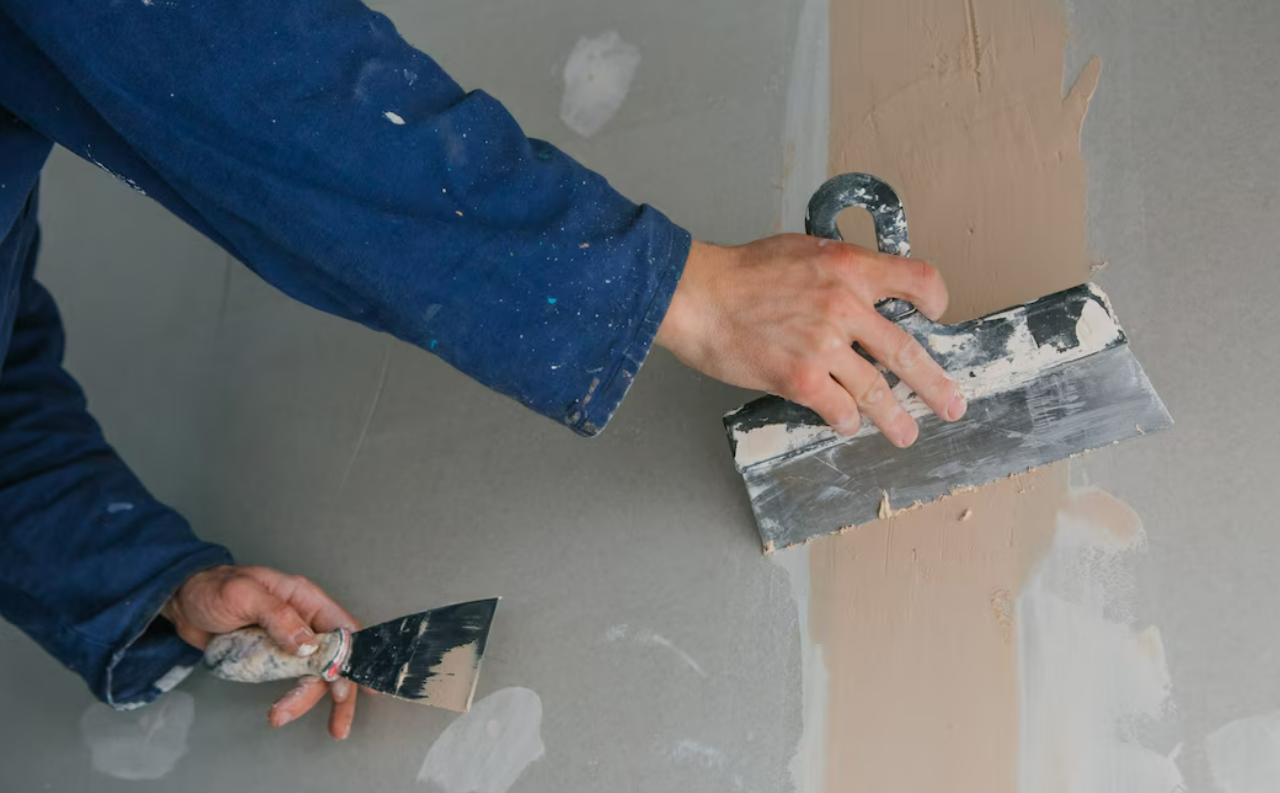
When it comes to safeguarding the structure and aesthetic of your home, few issues are more overlooked—and more damaging—than spalling concrete. In Singapore’s wet and humid environment, concrete spalling is a common yet preventable problem that threatens everything from your walls to your property value.
At Athena Best Painting Services, we offer professional, long-lasting solutions to stop the problem at its source. Living in a high-rise HDB flat or a landed property? Our team of professional painters and repair experts combine technical skill with top-quality materials to deliver reliable, lasting spalling concrete repair.
What Is Spalling Concrete Repair and Why Does It Matter for Singaporean Homes?
If you’ve ever noticed bubbling paint, crumbling patches, or rust-coloured streaks on your walls or ceilings, you might be dealing with spalling concrete. But what exactly is it? Spalling concrete happens when moisture infiltrates the concrete surface and reaches the steel reinforcement bars (rebars) inside. Over time, this moisture causes the rebars to rust and expand, which then causes the surrounding concrete to crack and flake off. This damage is more than cosmetic—left unchecked, it can compromise the structural integrity of your home.
That’s where spalling concrete repair comes in. This is a specialised process that removes the damaged sections, treats the rusting steel, and restores the surface using high-performance mortar and coatings. It’s not just a patch job—it’s a restoration method designed to prevent recurrence. In Singapore, the problem is amplified due to our coastal humidity, monsoon seasons, and ageing public housing stock. With many properties built in the 1980s and 1990s, concrete spalling is now becoming increasingly visible in older buildings, especially around balconies, corridors, and ceilings.
If ignored, this minor issue can become a major expense. That’s why early detection and professional spalling concrete repair are essential.
Telltale Signs of Concrete Spalling You Should Never Ignore
Before the damage becomes obvious, spalling concrete tends to give off subtle clues. Homeowners should be vigilant and look for the following:
- Flaky or peeling plaster on walls and ceilings
- Rust-coloured stains spreading across concrete surfaces
- Hairline cracks that expand over time
- Hollow sounds when you tap on affected concrete
- Exposed steel rebars that look corroded or rusty
- Bubbling or blistering paint after rainfall or cleaning
These warning signs often show up in high-moisture areas like bathrooms, kitchens, balconies, and external walls. Once you see them, it’s critical not to just repaint and move on. A common mistake many homeowners make is simply painting over the problem—often using standard wall paint without addressing the underlying corrosion. This not only wastes money but allows the damage to spread, weakening both the structure and the paint finish.
That’s why calling in professional painters with knowledge in spalling concrete repair is crucial. They’ll assess the extent of the damage, stop the corrosion process, and apply moisture-resistant, long-lasting finishes tailored for Singapore’s climate.
What Causes Spalling Concrete in Singapore’s Tropical Climate
To fully understand why spalling concrete is such a widespread issue in Singapore, it’s important to look beyond the surface. The phenomenon is not caused by a single factor but rather a convergence of environmental conditions, ageing infrastructure, and unsuitable maintenance practices. Each of these contributes to a process that silently damages your home from within until it becomes visibly obvious—and structurally concerning.
Here’s a closer look at the main causes of concrete spalling in Singapore:
1. High Humidity and Frequent Rainfall
Singapore’s equatorial climate is marked by year-round humidity levels averaging between 70% and 90%, with frequent rainfall and extended monsoon seasons. These wet conditions keep surfaces constantly exposed to moisture, especially external walls, ceilings, balconies, and service yards.
Concrete is porous by nature, which means it absorbs water over time. Once moisture penetrates through the surface, it reaches the embedded steel reinforcement bars (rebars). In the presence of water and oxygen, these steel bars begin to rust and expand. The expansion puts pressure on the surrounding concrete, causing it to crack, flake, and detach. This entire process is accelerated in humid environments—making spalling concrete repair a crucial need for local homeowners.
2. Salt-Laden Air Near Coastal Regions
Properties located in areas like East Coast, Pasir Ris, Sentosa, Marine Parade, Changi, and Bedok face an additional threat: salt. Salt particles from the sea are carried by wind and settle on building surfaces. Over time, these salts are absorbed into the concrete and come into contact with the steel reinforcement inside.
Salt dramatically increases the rate of corrosion in steel rebars by lowering the pH balance within the concrete. This speeds up the formation of rust, which in turn expands and causes the concrete to crack or “spall”. Coastal homes not only need more frequent inspections but also specialised, salt-resistant treatments during spalling concrete repair.
3. Ageing Buildings with Outdated Construction Methods
Many HDB blocks, condominiums, and landed properties in Singapore were built before modern waterproofing technologies and construction standards were introduced. Buildings from the 1980s and 1990s, in particular, are highly susceptible to concrete spalling due to:
- Use of basic cement mixtures without anti-corrosion additives
- Lack of protective coatings or sealants during construction
- Inadequate waterproofing beneath plaster and paint
- Poor surface curing during the original build
As these buildings age, the concrete weakens naturally. Combined with Singapore’s high humidity and frequent rainfall, the degradation process becomes inevitable—unless proactive spalling concrete repair is carried out.
4. Poor Ventilation
Moisture build-up is not limited to external weather conditions. In many older or poorly designed flats, lack of cross-ventilation and insufficient airflow trap moisture indoors—especially in high-humidity areas like bathrooms, kitchens, and storerooms.
Over time, this trapped moisture seeps into walls and ceilings, particularly where the concrete is already compromised or has hairline cracks. Without escape routes for condensation or steam, moisture accumulates inside the concrete structure, fuelling corrosion from within.
This is why professional painters and repair specialists often recommend installing exhaust fans, dehumidifiers, or proper louvre vents in high-risk areas as part of long-term concrete spalling prevention.
5. Painting Over Damaged Surfaces
One of the most common yet dangerous practices among homeowners is painting over cracks or damaged areas without proper surface preparation or repair. While a fresh coat of paint may improve aesthetics temporarily, it often traps moisture beneath the surface. Paint applied on a moisture-laden or already compromised wall acts like a seal over a leaking pipe. The trapped moisture continues to interact with the internal steel, leading to faster corrosion and deeper structural damage.
Moreover, low-quality paints or those not designed for humid or high-alkaline environments can react chemically with the surface, making spalling concrete worse rather than better. That’s why proper surface assessment and treatment by professional painters are essential before any cosmetic upgrades. Each of these factors—environmental, structural, and procedural—creates a domino effect. Moisture intrusion leads to rebar corrosion, which then expands and causes internal pressure. That pressure pushes outward, causing the concrete to crack, flake, or fall off entirely. In severe cases, it can lead to structural instability or falling debris, posing real safety risks.
The good news? With timely, expert-led spalling concrete repair, this cycle can be broken. Addressing the root cause instead of masking the symptoms is the only way to restore and protect your home’s integrity—especially in Singapore’s challenging climate.
Not All Repairs Are Equal – The Risks of DIY Spalling Concrete Repair
It’s tempting for homeowners to attempt minor wall fixes using patching kits or surface fillers. But DIY methods rarely solve the problem—in fact, they often make things worse.
Why DIY spalling concrete repair fails:
- Lack of access to rebar Most DIY fixes focus only on the surface. Without treating the steel reinforcement, corrosion continues unseen.
- No rust treatment The rusting steel expands, causing more cracks even after patching.
- Incorrect mortar or filler Using low-quality or incompatible materials leads to poor bonding and repeat damage.
- No waterproofing layer Moisture continues to seep in, especially during monsoon seasons.
- Poor finish Uneven textures and mismatched colours reduce property aesthetics and value.
Professional spalling concrete repair requires more than a trowel and some cement. It involves proper assessment, preparation, and use of suitable materials that withstand Singapore’s climate. Engaging professional painters and repair specialists ensures not just a visual fix, but a structural one that lasts.
The Hidden Link Between Spalling Concrete and Poor Paint Durability
One of the most overlooked effects of spalling concrete is how it undermines the performance of your wall paint. Homeowners often assume that peeling or discolouration is due to bad paint, when the real culprit lies beneath.
Here’s how spalling affects your paint:
- Moisture trapped under paint causes blistering and peeling.
- Expanding rust disrupts the paint surface from within.
- Flaking concrete leads to an uneven base, affecting paint adhesion.
- Salt or chemical leaching through concrete creates unsightly white stains (efflorescence).
That’s why professional painters from Athena Best Painting Services never begin a job without inspecting the underlying surface. Our approach to spalling concrete repair includes:
- Neutralising the surface to balance pH and remove alkalinity.
- Applying bonding agents to ensure paint sticks properly.
- Using mould-resistant and waterproof paints ideal for Singapore homes.
Addressing the root problem first ensures your paint job not only looks better but also lasts significantly longer.
Cutting-Edge Techniques We Use in Spalling Concrete Repair
At Athena Best Painting Services, we don’t believe in surface-level fixes. Our spalling concrete repair approach uses advanced materials and industry-proven techniques to ensure a long-lasting solution that withstands Singapore’s tropical climate.
Here’s how we do it differently:
1. Polymer-modified mortar
- This specialised mortar is flexible, durable, and weather-resistant. It bonds better to existing surfaces and doesn’t crack with thermal expansion.
2. Rebar corrosion inhibitors
- After exposing the steel bars, we apply anti-corrosion primers and inhibitors to stop rust from reforming beneath the surface.
3. Waterproofing sealants
- We use high-grade sealants on exposed surfaces to prevent moisture from penetrating the repaired concrete.
4. Moisture-lock technology
- Ideal for high-humidity interiors, this approach stops internal dampness from reactivating spalling.
5. Precision tools and finishing methods
- From grinding edges to levelling surfaces, our team ensures a seamless and durable finish.
These techniques not only fix existing concrete spalling, but also help prevent it from recurring. When combined with the skills of professional painters, your repaired walls will be protected and visually appealing for years to come.
Why Only Professional Painters Should Repaint After Concrete Repairs
Many homeowners make the mistake of hiring a general handyman to repaint walls after spalling concrete repair, assuming it’s a simple task. However, repainting a surface that’s been structurally repaired requires technical know-how and precision—something only professional painters can deliver.
- Surface compatibility New mortar and treated areas need specific types of paint to adhere properly. Generic paints can fail quickly.
- Moisture control Without breathable or water-resistant paints, moisture can get trapped, leading to more concrete spalling.
- Uniform texture and finish Repaired areas often have different surface levels. Skilled painters blend textures and finishes so it looks flawless.
- Protective coatings We use anti-carbonation, anti-mould, and UV-resistant paint systems to protect your home’s surfaces in Singapore’s harsh weather.
At Athena Best Painting Services, our process includes proper curing, priming, and coating steps to ensure your freshly repaired walls are not just functional but also beautifully finished.
Preventing Future Concrete Spalling – Expert Maintenance Tips
Even after successful spalling concrete repair, ongoing maintenance is essential to avoid future problems. Here are our expert tips to keep your walls in excellent condition:
1. Schedule annual inspections
Have your property inspected by professional painters or repair contractors at least once a year. Early detection saves thousands in repair costs.
2. Maintain proper ventilation
Ensure your bathrooms, kitchens, and closed spaces have adequate airflow to prevent moisture build-up inside concrete walls.
3. Repair plumbing leaks immediately
Hidden leaks can lead to water seepage behind walls, eventually triggering concrete spalling.
4. Use protective coatings
Apply sealants and waterproof paints, especially for external walls and balconies.
5. Don’t ignore minor cracks
What looks like a small crack might be the beginning of a much bigger problem. Get it checked before it spreads.
6. Repaint regularly with the right products
Use mould-resistant and water-repelling paints designed for Singapore’s climate. This is one of the easiest ways to prevent moisture damage.
Maintaining a home in Singapore’s environment is challenging, but proactive care and the right professional support can make all the difference.
How Spalling Concrete Repair Enhances Property Value in Singapore
Property buyers in Singapore are increasingly aware of structural concerns—and spalling concrete is a major red flag during property viewings. Whether you’re planning to sell, rent out, or renovate, addressing this issue can significantly improve your home’s market appeal.
Here’s how quality spalling concrete repair adds value:
- Stronger first impressions Cracked or flaking walls send a signal that the property is poorly maintained. Repaired and repainted surfaces make your home look newer and well cared for.
- Higher resale value A well-maintained home commands better offers. Buyers are willing to pay more for properties that don’t require immediate repair work.
- Reduced negotiation pressure Buyers often use visible issues like concrete spalling to push for lower prices. Fixing the problem beforehand removes their leverage.
- Improved structural integrity Beyond looks, you’re preserving the long-term health of the building—especially important for older HDB flats and landed homes.
- Compliance with town council or MCST requirements Many town councils now require residents to address visible spalling before approval is granted for repainting or renovation works.
By investing in proper spalling concrete repair, you not only protect your home but also increase its future marketability in a competitive housing market like Singapore.
How to Choose the Right Contractor for Spalling Concrete Repair in Singapore
When dealing with spalling concrete, choosing the right contractor is just as important as the repair itself. Not all service providers understand the complexity of concrete spalling, nor do they have the experience to treat it thoroughly.
Here’s what to look for when hiring a spalling concrete repair specialist:
- Experience with similar property types (HDB, condo, landed homes)
- Trained and certified professional painters who understand both structural repair and surface finishing
- Transparent inspection and quotation process
- Use of quality materials such as polymer-modified mortar and anti-corrosion treatments
- Inclusion of moisture control measures in the repair process
- Detailed post-repair painting and waterproofing options
- Warranty or guarantee on work completed
It’s also important to choose a contractor familiar with Singapore’s Building and Construction Authority (BCA) guidelines to ensure compliance with safety and renovation standards.
At Athena Best Painting Services, we check all the boxes. Our team offers end-to-end solutions from inspection to final repainting—eliminating the hassle of hiring multiple contractors and ensuring every step is handled with expertise.
Beware of Short-Term Fixes: Spotting Unqualified Contractors
Many homeowners are lured by cheap quotes and fast work—only to realise that the problem returns within months. Unqualified contractors often use poor techniques that may temporarily improve appearances but do nothing to stop the underlying issue.
Red flags to watch out for:
- No surface inspection before providing a quote
- Use of generic cement or filler for patching
- Failure to treat or clean the steel rebars
- No waterproofing step in the process
- Painting immediately after repair without curing time
- Vague or no warranty offered
- Inconsistent reviews or lack of local project references
These shortcuts often result in more expensive repairs later. The concrete continues to deteriorate, paint peels off, and you’re forced to redo the work in a matter of months. Hiring qualified professional painters with proven spalling concrete repair experience is not just a better option—it’s the only option if you want reliable, long-lasting results.
Timeline and Cost Breakdown of a Typical Spalling Concrete Repair
Understanding the timeline and cost involved helps homeowners plan better and avoid unexpected delays or expenses. While every property is different, here’s a general overview based on our experience across Singapore.
Average timeline:
- Initial site inspection and assessment: 1 day
- Preparation and rebar treatment: 1 to 2 days
- Concrete restoration and surface levelling: 1 to 2 days
- Curing time before painting: 2 to 3 days
- Final painting and finishing: 1 to 2 days
Total estimated duration: 6 to 10 days, depending on extent of damage and weather conditions.
Typical cost factors:
- Size of affected area
- Severity of rebar corrosion
- Height and accessibility (e.g. high ceilings, external walls)
- Paint and coating system used
- Additional waterproofing requirements
Rough cost range (Singapore residential projects):
- Small patches (e.g. bathroom corner or ceiling): $300 to $600
- Medium areas (e.g. balcony walls): $800 to $1,500
- Large surface areas (e.g. full room or external façade): $2,000 to $5,000+
All pricing includes both spalling concrete repair and repainting when done by a full-service contractor like Athena Best Painting Services. We provide clear quotations and walk our clients through each stage so they know exactly what they’re getting.
Take Action Today – Book Your Spalling Concrete Repair with Athena Best Painting Services
If your walls or ceilings are showing signs of deterioration—don’t wait until it’s too late. Spalling concrete is more than a surface problem. It’s a warning that your home is under threat from within. Don’t let concrete spalling lower your home’s safety or value.
Call Athena Best Painting Services now to schedule your inspection and protect your property with expert spalling concrete repair that lasts.