

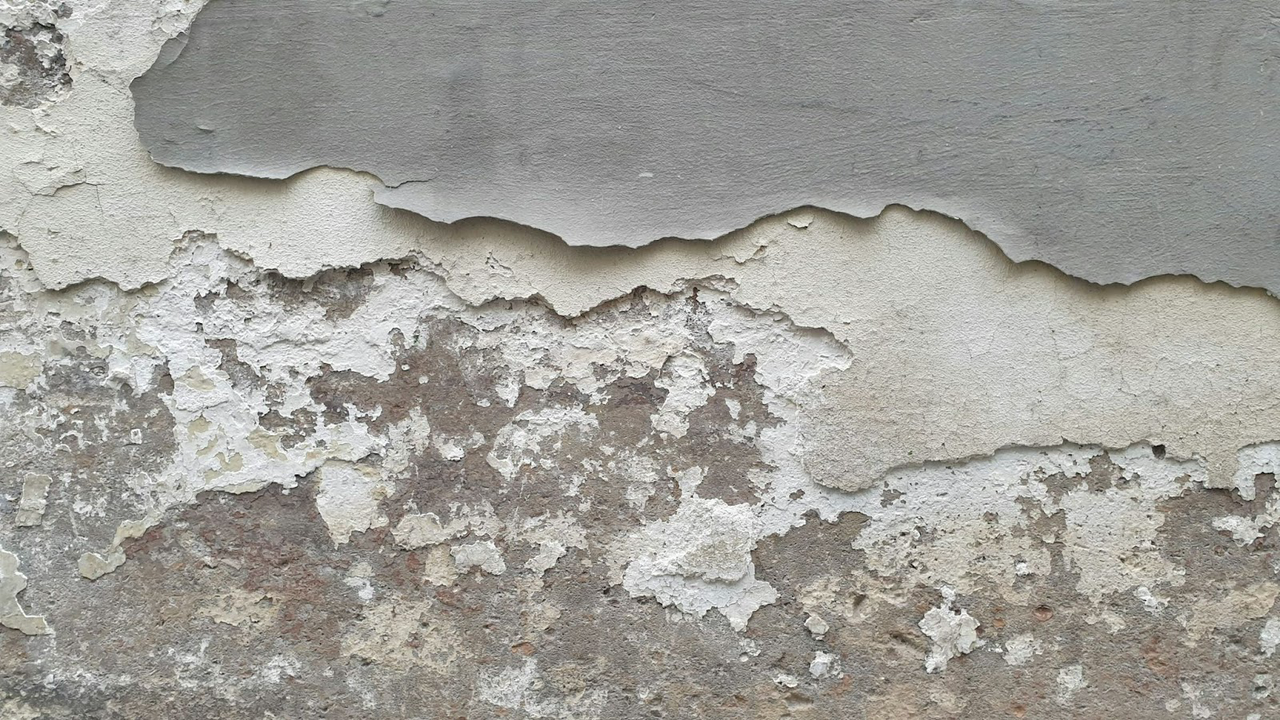
Spalling concrete is a common issue faced by many HDB homeowners in Singapore. It usually starts small — a bit of peeling paint or a slight crack in the ceiling — but if ignored, spalling concrete HDB problems can become a serious safety concern. Caused mainly by moisture and corrosion, concrete spalling not only affects your home’s appearance but also its structural strength.
Knowing the early warning signs can help you act fast and avoid costly repairs. This guide covers what to look out for, why it happens, and how trusted painting services in Singapore like Athena Best Painting can help.
What Is Spalling Concrete and Why It Matters in HDB Flats
Spalling concrete refers to the surface of concrete flaking, cracking, or falling apart. In HDB flats, this issue often begins when steel reinforcement bars within the concrete become exposed to air and moisture. Over time, the embedded steel starts to rust, which leads to internal pressure that pushes the concrete outwards. This causes chunks of concrete to pop, bulge, or drop from ceilings and walls.
Many homeowners mistake concrete spalling for minor wear and tear. But ignoring it could lead to further damage and safety risks. Especially in older HDB flats, where structural fatigue and humidity are more common, spotting early signs of spalling concrete in HDB can help you act before it becomes a major repair.
You might notice it first on your bathroom ceiling, kitchen walls, or even near your windows. These are all areas prone to high moisture levels, which speeds up rusting and surface damage.
Common Causes of Spalling Concrete in HDB Flats
Knowing what leads to spalling concrete can help you prevent it or at least catch it early. Here are the most common reasons it appears in HDB flats:
1. Ageing Concrete
Concrete naturally deteriorates with time. As it ages, it loses strength, becomes more porous, and is less able to protect the steel reinforcement inside. Many HDB blocks that are over two decades old were built using materials and construction standards that may not meet today’s durability expectations. This makes them more prone to spalling, especially if regular maintenance hasn’t been carried out. Hairline cracks, rust stains, or bubbling paint can be early signs that the concrete is starting to give way.
2. Moisture and Humidity
Singapore’s hot and humid weather is a major factor. Moisture in the air, especially in areas that don’t get good airflow—like bathrooms, kitchens, or service yards—can seep into the concrete over time. Once inside, it can corrode the steel reinforcement bars (rebars). As the steel rusts, it expands, pushing the concrete outward until it eventually chips or flakes off. This is one of the most common reasons for spalling in high moisture environments.
3. Poor Waterproofing
Proper waterproofing is key to keeping moisture out of concrete. Unfortunately, many older flats rely on regular wall paint, which doesn’t do much to block water. If your unit hasn’t been treated with water-resistant coatings, water can slowly penetrate the surface and reach the steel bars inside. Once that happens, rusting and expansion begin, setting the stage for spalling. You’ll often see this around ceilings, external walls, or under windows—areas that get exposed to rain or condensation.
4. Substandard Materials or Workmanship
Sometimes, spalling isn’t just about age or weather—it’s about how the flat was built in the first place. If the concrete mix wasn’t done properly or if the rebars weren’t given enough cover (meaning they were too close to the surface), the concrete becomes more vulnerable to damage. Poor curing during construction—when concrete isn’t kept moist enough as it sets—can also weaken the structure. These flaws don’t show up right away, but over the years, they can lead to serious spalling problems.
Early Warning Signs of Spalling Concrete Every Homeowner Should Know
Spalling concrete in HDB flats usually starts with small warning signs. If you know what to look out for, you can catch it early and avoid more serious—and expensive—repairs down the line. Here are the key symptoms homeowners should pay attention to:
Peeling or Bubbling Paint
If you see paint starting to bubble, flake, or peel on your ceilings or walls—especially in areas like kitchens, bathrooms, or service yards—it might be more than just humidity. This is often an early indicator of spalling concrete in HDB flats. Moisture getting trapped underneath the surface can start to affect the concrete and steel underneath, setting the stage for spalling.
Hairline Cracks or Circular Lines
Watch for fine, hairline cracks, especially those that seem to form curved or circular lines. These cracks often appear above the steel reinforcement bars inside the concrete. As the steel begins to rust and expand, the surrounding concrete starts to crack outward. This is one of the first visible signs of spalling concrete in HDB units, especially in older blocks.
Rust Coloured Stains
Brown or reddish stains on your ceiling or walls—usually near corners, window frames, or cracks—can signal rusting steel within the concrete. These rust marks are a strong visual clue that spalling concrete in HDB flats is either developing or already present. Even if the surface still looks solid, the internal damage may be progressing.
Hollow or Bulging Areas
Gently tapping on suspect areas of concrete can tell you a lot. If it sounds hollow, or if you notice a subtle bulge on the surface, that section may already be compromised. These are early signs that the bond between the concrete and steel has broken down. In HDB flats, this kind of hidden spalling concrete damage can quickly worsen if left untreated.
Small Chunks of Concrete Falling Off
When bits of concrete actually fall from your ceiling or walls, the issue has moved beyond the early stages. At this point, the spalling concrete in your HDB flat has likely exposed the steel reinforcement, which is already rusting. This is when it becomes a safety concern, and it’s crucial to get professional help as soon as possible.
How to Prevent Spalling Concrete in Your HDB Flat
Preventing spalling concrete starts with regular care and early action. Here’s what you can do as a homeowner to reduce your risks:
1. Improve Ventilation
Make sure your home, especially the toilets and kitchen, are well ventilated. Open windows, install exhaust fans, and avoid letting steam linger for long periods.
2. Fix Leaks Promptly
Even small leaks from upstairs units or pipes can seep into your ceiling and trigger rust in steel bars. If you spot any moisture marks or leaks, get them repaired quickly.
3. Choose the Right Paint
Don’t just go for decorative options. Use proper anti moisture and anti mould coatings recommended by reliable painting services in Singapore. Athena Best Painting offers paints that also provide extra protection against spalling concrete.
4. Get Regular Inspections
Especially for flats older than 15 years, it’s wise to get a professional to check for early signs of concrete spalling. This can be done once every few years to ensure peace of mind.
5. Repaint Before Damage Sets In
A good coat of quality paint can help block moisture before it gets into the concrete. Repainting every 5 to 7 years is a safe rule of thumb, especially in high humidity zones.
Why Prompt Repair of Spalling Concrete in HDB Flats Matters
Once you spot signs of spalling concrete in your home, delaying action only makes the situation worse. Many HDB homeowners assume it’s just a cosmetic issue. But beneath the surface, it’s a warning that corrosion is already in progress — and that can spread quickly.
Structural Safety Is at Risk
When the steel bars inside your ceiling or walls start to rust, they expand. This expansion creates pressure that causes the concrete to crack or even fall off. If ignored, this can lead to serious safety hazards, especially in bedrooms, kitchens, and bathrooms where most spalling concrete HDB issues are reported.
Repairs Get More Expensive Over Time
Small patches of concrete spalling can usually be repaired quickly. But once large sections are affected, repair costs rise sharply. Larger damage might also need structural reinforcement, repainting, and extra work to restore the area.
It Lowers Property Value
For anyone planning to sell or rent out their HDB flat, visible signs of spalling concrete can be a red flag to potential buyers. It gives the impression of poor maintenance and could affect both pricing and negotiation.
Water Damage Can Spread
If water is already seeping in and causing rust, it won’t stop on its own. Moisture will keep spreading through concrete pores, affecting nearby sections. Prompt repair helps stop this cycle early.
In short, spotting spalling concrete early and acting quickly is not just about saving money — it’s also about keeping your family safe and your home in good condition.
Choosing the Right Painting Services in Singapore for Spalling Concrete Repairs
When dealing with spalling concrete HDB problems, it’s not enough to just paint over the cracks. Proper repairs involve removing damaged concrete, treating the rusted steel, applying bonding agents, and repainting with the right protective coatings.
So how do you choose the right team for the job?
1. Experience with HDB Flats
Look for professionals who specialise in painting services in Singapore and have a strong background in concrete spalling repair. HDB flats have specific requirements and building materials, and not every contractor knows how to work with them correctly.
2. Use of Proper Repair Methods
Avoid those who simply patch the area and paint over it. The correct method involves:
- Removing loose concrete
- Cleaning and treating steel bars
- Applying anti-rust primer
- Rebuilding the surface with repair mortar
- Finishing with weather resistant paint
This is the only way to properly treat spalling concrete.
3. Use of the Right Products
Not all paints are suitable for Singapore’s humid environment. The team should use waterproof, mould resistant paint designed to hold up against moisture. Athena Best Painting uses materials that are proven to protect against future spalling concrete HDB issues.
4. Transparent Pricing and Service
Make sure the quote includes everything — from surface preparation to post job cleanup. Ask questions and be clear on the process before you commit.
5. Good Reviews and Solid Track Record
Check online reviews, ask for photos of past jobs, and see if they’ve worked on similar HDB flats before. A reliable painting company will always be ready to share their experience.
Long Term Care Tips to Avoid Spalling Concrete in HDB Homes
After getting your spalling concrete repaired, keeping it from coming back is just as important. Regular upkeep and mindful choices can make a big difference. Here are a few ways to keep your HDB flat in better condition for years to come.
1. Stick to a Maintenance Schedule
Set reminders to inspect your home every 6 to 12 months. Focus on ceilings, corners, and areas with poor airflow. These are the spots where concrete spalling often starts.
2. Watch Out for Moisture
Humidity is one of the biggest culprits in causing spalling concrete HDB issues. Make sure your bathroom and kitchen have working ventilation, avoid drying clothes indoors, and wipe down walls where condensation builds up.
3. Don’t Delay Small Fixes
Even a hairline crack or peeling paint can be the start of something larger. If you notice any early warning signs, it’s worth having them looked at before they spread.
4. Use Quality Paint and Materials
Repainting isn’t just about appearance. A fresh coat of mould resistant, waterproof paint can give an added layer of defence. Athena Best Painting uses protective coatings made to handle Singapore’s damp climate and help prevent spalling concrete from returning.
5. Avoid DIY Repairs for Structural Damage
Small cosmetic jobs are fine, but when it comes to exposed steel, rust, or loose concrete, always bring in professionals. DIY fixes may cover the surface but won’t treat the root cause.
Understanding the Costs of Spalling Concrete Repairs in Singapore
Many HDB owners are unsure of what it costs to repair spalling concrete and avoid contacting a contractor out of fear of high prices. Here’s a breakdown to help set the right expectations:
| Damage Type | Typical Repair Work | Estimated Cost (SGD) |
| Minor surface cracks | Patching, painting, light sealing | $100 – $200 per area |
| Moderate spalling (ceiling) | Rust treatment, mortar application, repainting | $200 – $500 per ceiling area |
| Severe damage (multiple spots) | Full repair, anti-rust, waterproof coating | $600 – $1,200 and up |
These are ballpark figures and can vary depending on the size of the area, the extent of damage, and the condition of the existing paint or ceiling.
HDB Repairs and Grants
In some cases, HDB may assist with repairs in shared areas, especially if the problem affects ceilings between flats. It’s worth checking if your flat is eligible for upgrading support.
Athena Best Painting offers fair, transparent pricing. We’ll explain every part of the process before starting any work, so you won’t face any surprises.
Making Your HDB Flat More Resistant to Concrete Spalling
Once your home is fixed, it’s smart to take a few steps to keep it protected for the long haul.
Use Anti-Carbonation Coatings
These coatings protect the surface from CO₂ penetration, which can speed up steel corrosion. They act like a barrier that keeps the integrity of your concrete intact.
Install Dehumidifiers in Enclosed Spaces
Reduce the indoor humidity where airflow is limited. This helps in avoiding moisture related damage — a major trigger for spalling concrete in HDB kitchens and toilets.
Check Your Paint’s Expiry
Paint doesn’t last forever. Once it breaks down, it loses its protective qualities. Athena Best Painting recommends repainting every 5–7 years using high quality materials suited to Singapore’s weather.
Upgrade Waterproofing in Wet Areas
Toilets and bathrooms are the most common sources of moisture. Improving floor and wall waterproofing in these rooms helps prevent problems in adjacent walls or the flat below.
Why Athena Best Painting Is Trusted for Concrete Spalling Repairs
Athena Best Painting isn’t just a general contractor — we specialise in helping HDB homeowners deal with long term maintenance issues. That includes solving and preventing spalling concrete HDB problems, restoring ceiling surfaces, and applying quality coatings designed for Singapore homes.
When you call us, you can expect:
- A full inspection and honest assessment
- Step-by-step explanation of what needs fixing
- Skilled workers experienced in HDB concrete spalling issues
- Durable, clean, and protective finishes
- Clear and fair pricing
We don’t cut corners, and we treat your home with the same care we’d want for our own.
Need Help With Spalling Concrete in Your HDB Flat? Call Athena Best Painting Today
If you’ve spotted cracked ceilings, peeling paint, or rust stains in your flat, don’t wait for the damage to get worse. Spalling concrete is easier to fix when caught early, and the right team can make the process fast, safe, and affordable.
Athena Best Painting provides expert painting services in Singapore, with a special focus on handling spalling concrete HDB issues. Our team is trained, punctual, and friendly — and we take pride in the work we do.
Book your assessment today and get lasting protection for your home.