

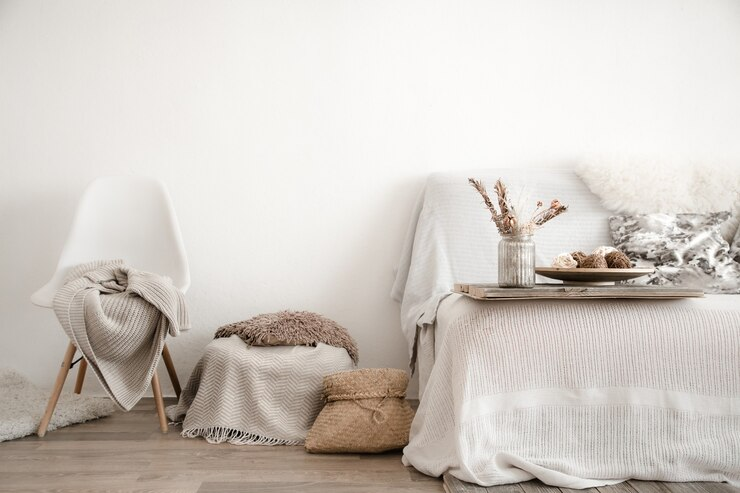
When it comes to enhancing the longevity and visual appeal of walls, wall plastering plays a pivotal role. Beyond its functional purpose of strengthening walls, modern plastering techniques have elevated it into an art form. A well-plastered wall serves as the perfect foundation for various finishes, whether it’s a simple coat of paint or an intricate decorative texture.
Modern plaster wall design has revolutionised how we view walls—not just as structural elements but also as integral design features. With advancements in materials and techniques, plastered walls can now reflect unique styles while also protecting against wear and tear. For those looking to explore durable and stylish options, interior paint combinations paired with innovative plastering methods offer limitless possibilities.
Did you know that a professionally plastered wall can last up to 50 years or more with minimal maintenance? This durability makes plastering a cost-effective investment for both residential and commercial properties.
What Is Wall Plastering?
Wall plastering refers to the application of a protective and decorative layer on walls to ensure a smooth, even finish. It is a foundational step in construction and renovation, designed to:
- Repair and cover imperfections such as cracks, gaps, and uneven surfaces.
- Protect the underlying structure from moisture and environmental damage.
- Provide a smooth canvas for interior paint combinations or decorative wall finishes.
The primary purpose of wall plastering is to enhance the strength and durability of walls while simultaneously improving their aesthetic appeal. This practice has been essential for centuries and remains indispensable in modern construction projects.
For example, in commercial spaces, plastering helps create professional, polished interiors that leave lasting impressions. In residential properties, it sets the stage for creative colour schemes and textures, ensuring walls reflect personal style while being structurally sound.
(FAQ: What is the purpose of plastering walls? It smoothes surfaces, reinforces structural integrity, and enhances visual appeal.)
Types of Plaster and Their Uses
Choosing the right plaster is crucial for achieving a balance between functionality, durability, and aesthetics. Each type of plaster has unique properties that make it suitable for specific applications. Here’s a detailed breakdown:
1. Cement Plaster
- Composition: Made from a mixture of cement, sand, and water.
- Uses:
- Most commonly used for exterior walls due to its high durability and resistance to environmental factors such as rain, wind, and temperature fluctuations.
- Ideal for wet areas like kitchens and bathrooms, where moisture protection is critical.
- Advantages:
- Highly water-resistant, making it perfect for damp environments.
- Creates a tough and durable finish that can withstand wear and tear.
- Easy to maintain and repair.
- (FAQ: Which cement is good for plastering? Ordinary Portland Cement and Portland Pozzolana Cement are the most effective options.)
2. Gypsum Plaster
- Composition: Derived from gypsum powder mixed with water.
- Uses:
- Preferred for interior walls due to its smooth finish and lightweight nature.
- Often used in residential projects, especially for ceilings and decorative mouldings.
- Advantages:
- Quick-drying, allowing for faster project completion.
- Provides an excellent surface for painting or wallpaper application.
- Fire-resistant and has good insulation properties.
- Limitations:
- Not suitable for wet areas like bathrooms as it absorbs water, reducing its durability.
3. Lime Plaster
- Composition: A traditional plaster made from lime, sand, and water.
- Uses:
- Popular in heritage and restoration projects, especially for preserving historical buildings.
- Used in eco-friendly construction due to its natural and breathable qualities.
- Advantages:
- Highly breathable, preventing moisture buildup and mould growth.
- Environmentally friendly and fully recyclable.
- Offers a soft, natural finish that complements rustic and vintage designs.
- Limitations:
- Takes longer to cure compared to other plasters.
- Requires skilled application for the best results.
4. Clay Plaster
- Composition: Made from natural clay, sand, and fibres like straw or hemp.
- Uses:
- Increasingly popular in green building projects as a sustainable alternative to cement-based plasters.
- Frequently used for creating natural, earthy interiors with textured finishes.
- Advantages:
- Completely non-toxic and biodegradable.
- Provides excellent thermal insulation, helping regulate indoor temperatures.
- Can be reworked and recycled, reducing construction waste.
- Limitations:
- Susceptible to damage from moisture, requiring additional protective coatings in wet environments.
5. Decorative Plasters
- Composition: Includes additives for creating unique textures and finishes, such as Venetian plaster or stucco.
- Uses:
- Commonly used in luxury interiors to add depth and character.
- Ideal for accent walls or high-end commercial spaces.
- Advantages:
- Offers endless design possibilities with customisable textures, colours, and patterns.
- Highly durable and resistant to cracking when applied correctly.
Innovative Wall Plastering Techniques
Advances in wall plastering have introduced cutting-edge techniques that enhance efficiency, durability, and aesthetic appeal. Here’s an in-depth exploration of the most innovative methods shaping the future of plastering:
1. Spray Plastering
- How It Works:
- Plaster is applied using a spray machine, which ensures a consistent and even coating.
- The process is faster than traditional hand application, reducing project timelines significantly.
- Applications:
- Ideal for large-scale projects such as commercial buildings, where efficiency is crucial.
- Also used for ceilings and high walls that are difficult to reach with manual methods.
- Advantages:
- Reduces labour costs and speeds up completion times.
- Provides a flawless, uniform finish with minimal waste.
- Compatible with a variety of plaster types, including gypsum and cement.
2. Textured Plastering
- How It Works:
- Plaster is applied using specialised tools or techniques to create decorative textures on walls.
- Popular patterns include:
- Stucco Finish: A rough, rugged texture often used in Mediterranean-style homes.
- Sand Finish: A subtle, grainy texture achieved by mixing sand into the plaster.
- Venetian Plaster: A polished, marble-like finish created by layering and buffing plaster.
- Applications:
- Commonly used for accent walls in both residential and commercial spaces.
- Adds depth and visual interest to otherwise plain surfaces.
- Advantages:
- Provides endless customisation options to suit personal or brand aesthetics.
- Durable and resistant to wear, making it suitable for high-traffic areas.
3. Polished Plastering
- How It Works:
- A specialised technique that involves applying and polishing layers of lime-based plaster to create a glossy, reflective surface.
- Often combined with pigments to mimic the appearance of marble or stone.
- Applications:
- Frequently used in luxury interiors such as hotels, galleries, and upscale homes.
- Ideal for achieving a sleek, high-end look on walls or ceilings.
- Advantages:
- Offers a sophisticated finish that enhances the elegance of any space.
- Highly durable and resistant to fading, maintaining its beauty over time.
4. Eco-Friendly Plastering
- How It Works:
- Utilises sustainable materials such as clay, lime, or recycled aggregates to create plaster that is environmentally friendly.
- Techniques focus on reducing waste, minimising carbon emissions, and using renewable resources.
- Applications:
- Perfect for green buildings and eco-conscious homeowners looking to reduce their carbon footprint.
- Often used in modern interiors to create natural, earthy textures.
- Advantages:
- Promotes healthier indoor air quality due to its non-toxic composition.
- Reduces environmental impact while providing excellent thermal properties.
5. Robotic and Automated Plastering
- How It Works:
- Robotic machines are programmed to apply plaster with precision, reducing human error.
- Automation allows for faster application and consistent results.
- Applications:
- Best suited for large-scale construction projects where speed and precision are priorities.
- Advantages:
- Minimises labour requirements while improving efficiency.
- Ensures uniform application, reducing the likelihood of defects.
6. Embedded Plastering (Aesthetic and Functional)
- How It Works:
- Incorporates elements like LED lights, art motifs, or custom textures directly into the plaster.
- Applications:
- Perfect for interior design projects that prioritise visual appeal and creativity.
- Advantages:
- Combines functionality with aesthetics, creating walls that are not only durable but also visually captivating.
(FAQ: How do you get walls ready for plastering? It involves cleaning, repairing, and priming the surface to ensure proper adhesion and durability.)
Key Factors to Consider Before Plastering Walls
Plastering walls is an investment, so careful planning is essential to ensure long-term durability and aesthetic satisfaction. Below are the key factors to evaluate before starting a wall plastering project:
1. Type of Wall
- Interior Walls: For indoor spaces, materials like gypsum plaster are preferred due to their smooth finish and quick drying time. Gypsum is also ideal for maintaining a polished look suitable for interior paint combinations.
- Exterior Walls: Cement plaster is better for outdoor areas because it provides durability and resistance to environmental factors like rain, humidity, and temperature changes.
- Surface Condition: Some walls may require pre-treatment, such as applying a bonding agent, especially if the surface is rough or porous.
2. Climate Conditions
- In humid or wet climates, it’s important to use moisture-resistant plasters such as cement or lime plaster. These materials minimise the risk of dampness and ensure long-lasting protection.
- For dry climates, lightweight plasters like gypsum or clay may suffice as they don’t absorb excessive moisture and are less prone to cracking.
3. Material Quality
- Always invest in high-grade materials to ensure durability. Poor-quality plaster or substandard additives can lead to cracks, shrinkage, and flaking over time.
- If using cement, ensure it’s either Ordinary Portland Cement (OPC) or Portland Pozzolana Cement (PPC), as these are proven to provide the best results.
4. Design Preferences
- Decide whether you want a smooth finish for a minimalist look or textured plaster for added depth and style. Options like Venetian or stucco plaster can elevate the aesthetic of a space, especially when paired with bold plaster wall designs.
- Choose the right interior paint combinations to complement the chosen plaster finish.
5. Project Budget
- Consider both the upfront cost and long-term maintenance expenses. While premium plasters may seem costly, they often require less maintenance and last longer, making them cost-effective in the long run.
- Factor in labour costs, as experienced professionals can make a significant difference in the outcome.
6. Expertise of Contractors
- Plastering is a skilled trade, and hiring experienced professionals ensures precision and quality.
- Verify the contractor’s portfolio, credentials, and ability to handle the desired technique (e.g., spray plastering or textured finishes).
Signs a Wall Needs Plastering
Over time, walls endure wear and tear due to environmental and structural factors. Recognising the warning signs early can prevent further damage and save on costly repairs. Here are the most common indications that a wall requires plastering:
1. Visible Cracks
- Hairline Cracks: Often appear due to the natural settling of a building. These can be addressed with minor patching.
- Deep Cracks: Indicate structural damage or poor-quality plastering. These need immediate attention to prevent worsening.
2. Flaking or Peeling Paint
- Paint that bubbles or peels away from the wall surface is a clear sign of underlying issues such as moisture or poor adhesion. Re-plastering can address the root cause and provide a fresh surface for painting.
3. Uneven or Bulging Surfaces
- Walls that appear wavy, uneven, or bulging indicate that the existing plaster may have delaminated or been applied improperly. Re-plastering is necessary to restore smoothness and stability.
4. Damp Spots or Mould Growth
- Persistent dampness or black spots on walls often result from moisture seeping into the plaster.
- In such cases, the old plaster must be removed, and the wall should be treated with waterproofing solutions before applying new plaster.
5. Loose or Hollow Sounds
- Tapping on a wall and hearing a hollow sound indicates that the plaster is no longer bonded properly to the surface. This is a sign that re-plastering is needed.
6. Dusty or Powdery Surface
- A wall that constantly produces fine dust or powder signals that the plaster has started to degrade due to age or environmental conditions.
(FAQ: How to know if a wall needs plastering? If you notice any of these signs, it’s crucial to take action quickly. Ignoring these symptoms can lead to more severe structural damage, which will require more extensive repairs. Addressing these issues with professional wall plastering ensures the longevity and safety of your walls.)
The Science Behind Plaster Durability
The durability of plaster walls hinges on a combination of factors, ranging from the materials used to the conditions in which the plaster is applied and maintained. Understanding these factors can help homeowners and businesses maximise the lifespan of their walls while maintaining their aesthetic appeal.
Material Quality
The choice of plaster material is the foundation of durability. High-quality options such as Ordinary Portland Cement (OPC) and Portland Pozzolana Cement (PPC) are known for their strength and resilience. Gypsum plaster, while lightweight and smooth, is ideal for interiors but less suitable for humid environments. Lime and clay plasters, on the other hand, offer excellent breathability, making them ideal for areas prone to temperature and moisture fluctuations.
Environmental Conditions
- Humidity and Moisture: Excessive humidity or water exposure can weaken plaster over time. Cement plaster is ideal for damp areas like kitchens and bathrooms, as it is water-resistant.
- Temperature Changes: Extreme fluctuations can cause plaster to crack. Lime plaster, which expands and contracts naturally, is more resistant to temperature stress.
- Exposure to Sunlight: Prolonged exposure to UV rays can cause exterior plasters to deteriorate. Protective coatings or paints can help extend their lifespan.
Application Techniques
Proper application plays a vital role in durability. Factors such as mixing ratios, thickness, and curing time must be carefully controlled. For instance:
- Even Application: Uneven layers can lead to weak spots that are prone to cracking.
- Adequate Curing: Cement-based plasters must be cured with water for at least 7 days to achieve maximum strength.
Ongoing Maintenance
Regular maintenance ensures plaster remains in optimal condition. This includes periodic inspections for cracks or damage, immediate repair of any issues, and repainting or resealing to protect against environmental wear.
(FAQ: How long can plaster walls last? When all these factors are carefully considered, plaster walls can last 50 years or more, making it a highly durable and cost-effective option for both residential and commercial properties. Proper maintenance not only extends the wall’s lifespan but also maintains its aesthetic and structural integrity.)
Combining Plastering with Interior Paint Combinations
Plaster and paint have always gone hand-in-hand, but when combined thoughtfully, they can elevate the design and feel of any space. The interplay between wall plastering and interior paint combinations allows for endless possibilities in creating unique and visually striking interiors.
Textured Plaster and Neutral Paints
Textured plasters, such as stucco or Venetian plaster, add depth and dimension to walls. When paired with neutral colours like beige, grey, or cream, they create an understated elegance that works well in modern and minimalist spaces. The subtle shadows cast by textures can add interest to an otherwise plain room without overwhelming the design.
Smooth Plaster and Bold Colours
Smooth plaster provides a flawless canvas for bold colours like deep blues, rich greens, or even vibrant reds. This combination is ideal for creating accent walls or focal points in living rooms, offices, or retail spaces. Glossy or satin-finish paints can amplify the effect of smooth plaster, adding a polished, contemporary look.
Plaster Finishes and Paint Effects
Plasters can also be designed to mimic materials like marble, stone, or concrete. These finishes pair beautifully with metallic paints or subtle gradients, creating an upscale, artistic vibe. Techniques such as colour washes or ombré effects can further enhance the visual appeal of plastered walls.
Colour Schemes for Different Spaces
- Residential Spaces: In homes, soft, pastel colours paired with plaster finishes create a relaxing and inviting atmosphere. Textured plaster in dining rooms or living areas adds a touch of luxury without overpowering the decor.
- Commercial Spaces: For offices or retail environments, combining sleek, smooth plaster with professional, branded colour schemes creates a cohesive and stylish look.
Practical Considerations
Textured plasters may require slightly more effort to clean, so they’re better suited for feature walls or areas with minimal traffic. Smooth plasters allow for easier repainting and are ideal for areas that may need frequent updates or maintenance.
Sustainability in Wall Plastering
Sustainability is no longer just a trend; it is a necessity in today’s construction industry. Eco-friendly wall plastering solutions are becoming more popular as homeowners and businesses aim to reduce their environmental footprint without compromising on quality or aesthetics.
Eco-Friendly Plaster Materials
- Clay Plaster: One of the most sustainable options, clay plaster is biodegradable, non-toxic, and highly breathable. It regulates indoor humidity levels, making it a healthier choice for interiors.
- Lime Plaster: Known for its durability and antibacterial properties, lime plaster is also a carbon-neutral material. It absorbs CO₂ during the curing process, making it an excellent choice for green construction projects.
- Recycled Materials: Some modern plasters incorporate recycled aggregates like crushed glass or recycled concrete, reducing waste and resource consumption.
Energy Efficiency and Insulation
- Thermal Plasters: These innovative materials provide excellent insulation, reducing energy consumption for heating or cooling. They help maintain a comfortable indoor temperature year-round.
By improving a building’s thermal efficiency, sustainable plasters contribute to lower energy bills and a reduced carbon footprint.
Water Conservation in Application
Traditional plastering methods often require significant water for curing. However, newer plasters like gypsum or pre-mixed formulations reduce water usage, making them more sustainable choices.
Durability and Longevity
Sustainable plasters are designed to last for decades, reducing the need for frequent repairs or replacements. This longevity minimises resource consumption over time. Their resistance to mould and dampness also contributes to healthier living conditions, especially in humid climates.
Aesthetic and Functional Benefits
Beyond sustainability, eco-friendly plasters offer natural beauty with earthy tones and textures. They seamlessly blend into modern and rustic designs, enhancing the aesthetic value of interiors.
Future Trends in Green Plastering
As the construction industry continues to innovate, new sustainable materials are being developed, such as hemp-based plasters and carbon-negative products. These materials not only reduce environmental impact but also offer additional benefits like improved air quality and fire resistance.
Athena Best Painting Services – Your Trusted Partner for Stunning Walls
At Athena Best Painting Services, we bring expertise and passion to every project. Our comprehensive offerings include:
- Interior Painting: Enhance your space with the perfect colour palette.
- Exterior Painting: Protect your property with durable coatings.
- Commercial Painting: Professional finishes for businesses.
- Specialised Finishes: Unique textures and decorative effects.
- Wall Plastering: Achieve smooth, long-lasting walls that inspire.
Why Choose Athena?
- 100% Satisfaction Guarantee.
- Finest quality paints and materials for every project.
- On-schedule completion without compromising quality.
- Highly skilled painters with years of experience.
Whether it’s a new project or a makeover, Athena Best Painting Services is here to elevate your space with professional craftsmanship and unmatched attention to detail.
Durable, Beautiful Walls Start Here – Contact Athena Today!
Wall plastering innovations have revolutionised construction, ensuring walls are both durable and aesthetically appealing. Let Athena Best Painting Services bring your vision to life. Contact us today for a consultation or to request a quote! Together, we’ll create spaces that inspire and impress.