

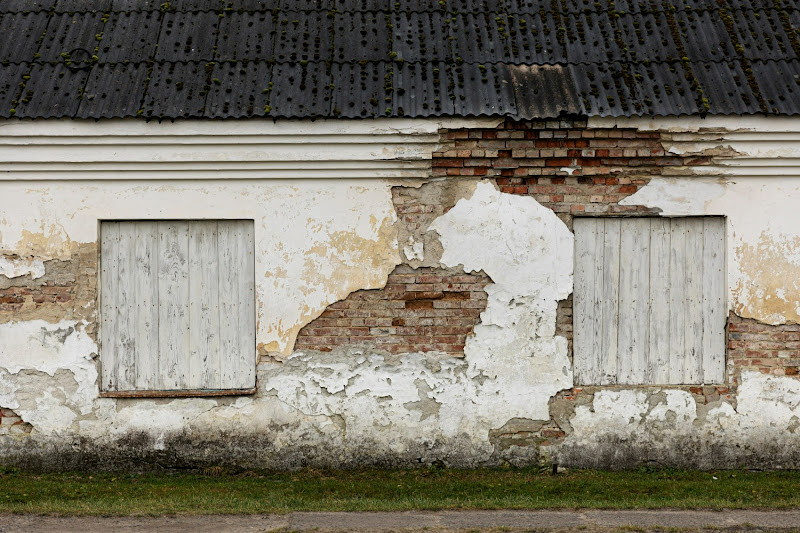
Concrete spalling isn’t just an eyesore on your HDB flat’s exterior—it’s a progressive structural issue that worsens dramatically over time. When you spot rust stains bleeding through your walls or small concrete chunks near your building’s base, you’re witnessing reinforcement corrosion happening beneath the surface. For HDB blocks built before 1995, spalling concrete damage accelerates faster due to thinner concrete cover and Singapore’s relentless humidity.
Ignoring these early warnings transforms a $500 repair into a $4,000 crisis within five years, potentially reducing your property value by up to 15%. This guide shows you exactly what to look for and when to act.
Key Takeaways
- Concrete spalling in older HDB flats progresses through three cost phases, with expenses multiplying 8-fold if left untreated beyond five years
- Buildings over 30 years old face higher risk due to 1980s-1990s construction standards
- Seven specific warning signs allow homeowners to detect spalling concrete HDB damage before it becomes structural
- Professional spalling concrete repair requires five critical stages—skipping any stage leads to recurring problems
What Concrete Spalling Actually Means for Your HDB Flat
The Science Behind Spalling Concrete
Concrete spalling occurs when protective concrete cover surrounding steel reinforcement bars breaks down and flakes away. The sequence unfolds in three stages:
- Carbonation penetration – Carbon dioxide from air reacts with concrete’s alkaline compounds, neutralising the protective environment around steel bars
- Corrosion activation – Once carbonation reaches the steel, moisture triggers rust formation that expands up to 6 times the original metal volume
- Concrete fracture – Expanding rust creates internal pressure exceeding concrete’s tensile strength, causing the surface to crack and spall off
Singapore’s humidity levels averaging 84% accelerate this process significantly. Building and Construction Authority research shows carbonation penetrates approximately 2-3mm per year in our climate—double the rate in temperate regions.
Why Buildings Over 30 Years Face Higher Risk
HDB blocks constructed between 1975-1995 present specific vulnerabilities. The concrete cover thickness in older blocks typically measures 20mm compared to the modern 30mm standard implemented after 1999.
This 10mm difference matters enormously. With carbonation advancing 2-3mm annually, older blocks reach their steel reinforcement in 7-10 years, whilst newer construction provides 10-15 years of protection. Construction practices from that era also used concrete mixes with higher chloride content, which accelerates corrosion once moisture penetrates.
The Real Cost Timeline: What Happens When You Wait
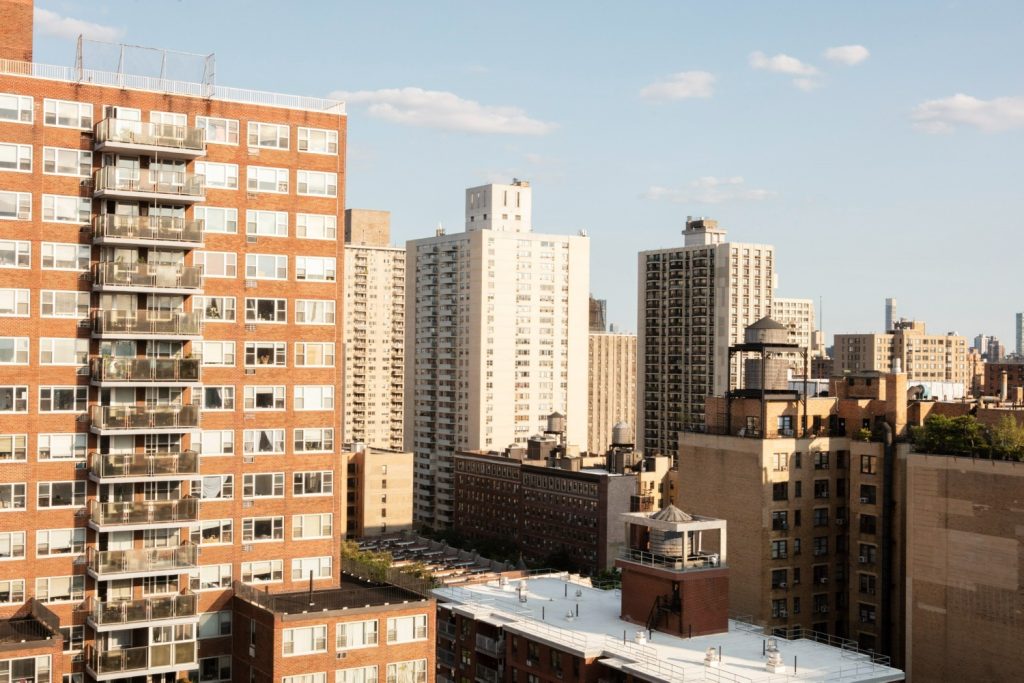
Year 1-2: The Deceptive “Small Problem” Phase
When you first notice a hairline crack or small rust stain, the damage seems manageable. At this stage, spalling concrete repair costs between $200-500 per square metre for localised treatment. What you can’t see: corrosion has already claimed 30-40% of the reinforcement bar’s cross-section at the affected point.
Year 3-5: The Escalation Nobody Expected
Multiple areas now show distress. Concrete chunks fall during heavy rain. Repair costs jump to $800-1,500 per square metre because scaffolding becomes necessary, larger surface areas require treatment, and multiple reinforcement bars need anti-corrosion coating.
One Toa Payoh resident discovered this reality when a 2-square-metre patch on her kitchen external wall expanded to 8 square metres within three years, multiplying her repair bill from $1,200 to $9,600.
Year 6+: The Structural Integrity Crisis
Severe spalling concrete HDB damage at this stage requires extensive hacking and reconstruction. Costs soar to $2,000-4,000 per square metre. The Ministry of National Development’s building inspection data reveals that HDB blocks with untreated spalling for 6+ years face 40-60% reduction in load-bearing capacity at affected sections.
HDB flats with visible, untreated concrete spalling sell for 5-15% below comparable units.
The Hidden Costs Beyond Repair Bills
| Cost Category | Early Intervention (Year 1-2) | Delayed Action (Year 6+) |
| Direct repair costs | $200-500/sqm | $2,000-4,000/sqm |
| Scaffolding/access | Not required | $3,000-8,000 |
| Temporary accommodation | None | $2,000-4,000/month |
| Insurance premium impact | Minimal | 15-25% increase |
| Resale timeline extension | None | 3-6 months average |
Detection Guide: Where and What to Check in Your Spalling Concrete HDB Home
1. Rust Stains Bleeding Through External Walls
Look for brownish-orange streaks on your kitchen and bathroom external faces, corridor walls, and parapet sections. These stains indicate active corrosion 50-100mm beneath the surface.
2. Hairline Cracks Wider Than 0.3mm
Place a 20-cent coin edge-on against the crack. If the coin’s edge fits inside, the crack warrants professional assessment. Normal concrete settling creates cracks under 0.2mm that remain stable.
3. Hollow Sounds When You Tap the Surface
The coin-tap test works brilliantly for detection. Tap a coin against the suspect area and surrounding concrete. Solid concrete produces a sharp “ping” sound. Delaminating concrete creates a dull “thud.”
4. Paint Bubbling on Concrete (Not Just Peeling)
Concrete spalling creates distinct bubbles or blisters as expanding rust pushes the paint outward. The surface feels spongy when pressed.
5. White Chalky Deposits After Rain
Efflorescence appears as white, powdery crystals on concrete surfaces. Whilst efflorescence itself isn’t harmful, it confirms water penetration—the primary catalyst for spalling concrete repair needs.
6. Small Concrete Fragments on Floor Below
Check your floor near external walls regularly. Small concrete chips indicate active spalling above—often at ceiling level or upper wall sections you can’t easily inspect.
7. Exposed Metal Reinforcement Bars
When you see rust-covered steel bars, concrete spalling has reached a critical threshold. Immediate professional intervention prevents structural compromise.
High-Risk Zones in Older HDB Blocks
Focus your inspection efforts on these vulnerable areas:
- External parapet walls (particularly north and west-facing sections)
- Corridor ceiling soffits
- Kitchen waste chute areas
- Column bases near drainage points
Pre-1990s slab blocks concentrate spalling concrete HDB problems on facades. Point blocks show higher vulnerability at corner units with dual wind-driven rain exposure.
Monthly Self-Inspection Checklist
Dedicate 5 minutes monthly to systematic checks:
- Photograph the same 5-6 suspect areas from identical angles
- Perform coin-tap tests on any bubbling paint areas
- Measure crack widths with your 20-cent coin gauge
- Sweep and inspect for fallen concrete fragments
- Document dates and observations in a maintenance log
Why Your Building’s Age and Design Pattern Matter for Spalling Concrete Repair
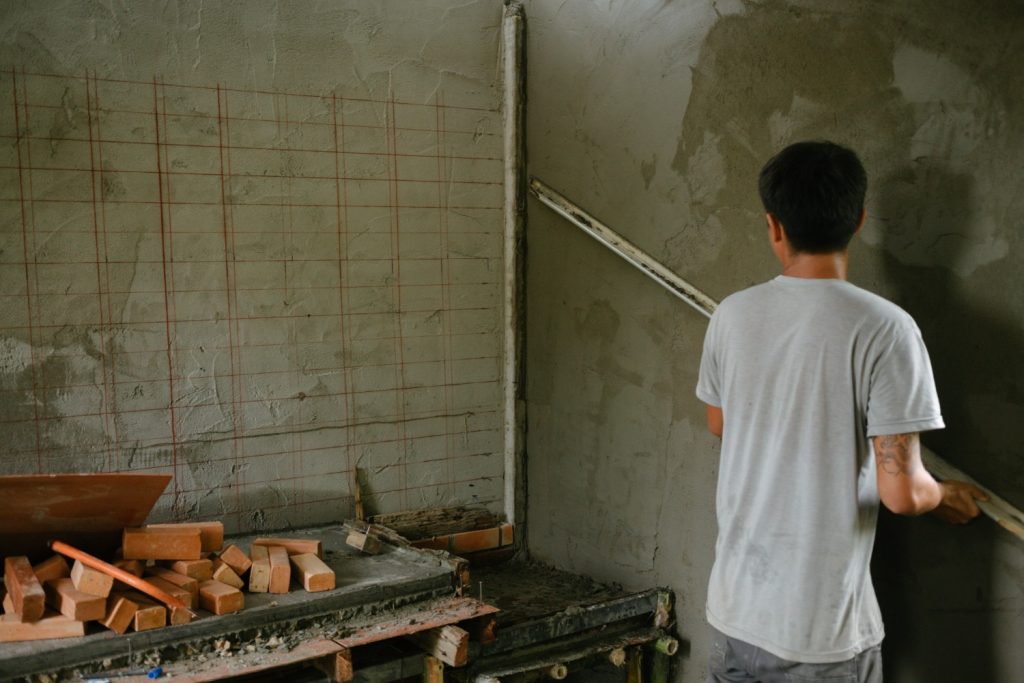
Pre-1990s HDB Blocks: Specific Vulnerabilities
Blocks built before 1990 used concrete mixes with Portland cement formulations that provided less carbonation resistance than modern variants. Higher chloride content in original mixes accelerates corrosion once carbonation neutralises the concrete’s alkalinity. These historical material standards mean spalling concrete appears 5-8 years earlier in pre-1990s blocks compared to post-2000 construction.
The Collective Problem: Why Individual Repairs Aren’t Enough
Water doesn’t respect unit boundaries. Runoff from inadequately sealed upper units flows down external walls, affecting multiple floors below. Town councils mandate Periodic Façade Inspection Programmes for blocks over 20 years old.
HIP and Your Spalling Issues
The Home Improvement Programme covers essential repairs for HDB blocks built in 1987 or earlier. HIP includes external wall repairs, structural spalling concrete repair on common areas, and waterproofing improvements.
However, individual unit owners remain responsible for spalling concrete within their private enclosed spaces—balconies, service yards, and bomb shelter external walls.
The Professional Spalling Concrete Repair Process Decoded
Stage 1: Diagnostic Assessment
Proper spalling concrete repair begins with scientific assessment. Professional contractors use carbonation depth testing with phenolphthalein solution, chloride content analysis, and half-cell potential mapping to detect active corrosion.
Stage 2: Proper Hacking and Preparation
Removing ALL compromised concrete is non-negotiable. Contractors must hack back to sound, uncarbonated concrete—typically 20-40mm beyond visible damage. Around reinforcement bars, maintain minimum 15mm clearance on all sides.
Stage 3: Reinforcement Treatment
Exposed bars undergo thorough rust removal using grit blasting or wire brushing. After cleaning, contractors apply zinc-rich epoxy primer providing 75-100 microns dry film thickness. This anti-corrosion coating acts as a sacrificial anode.
Stage 4: Repair Mortar Application
Polymer-modified repair mortars outperform traditional cementitious mixes for spalling concrete repair. The polymer addition provides superior bond strength, reduced shrinkage, and enhanced waterproofing properties.
Proper curing requires keeping the repair moist for 7 days minimum. Contractors who skip this step compromise the repair mortar’s strength development by up to 40%.
Stage 5: Protective Finishing
After the repair mortar reaches full strength, contractors apply anti-carbonation coatings. Acrylic-based coatings provide 8-10 years protection. Siloxane-based products offer 10-12 years durability with superior water repellence.
Red Flags in Quotations
Avoid contractors who propose:
- “Patch and paint” without assessment
- No mention of reinforcement bar treatment
- Warranty periods less than 12 months
- Prices significantly below $600 per square metre
The 5-Year Protection Plan for Older HDB Flats
Years 1-2: Baseline Assessment and Waterproofing
- Professional carbonation depth testing
- Application of penetrating sealers on all external concrete
- Waterproofing renewal at balcony floors
Years 3-4: Protective Coating Application
- Anti-carbonation paint system on external walls
- Acrylic or siloxane-based products providing 8-12 years protection
Year 5: Comprehensive Reassessment
- Repeat carbonation testing to measure progression rate
- Inspect protective coating integrity
Anti-Carbonation Coatings: What Actually Works
Acrylic-based anti-carbonation coatings form a dense film that blocks carbon dioxide whilst remaining vapour-permeable. They cost $15-25 per square metre including labour. Siloxane-based products penetrate concrete pores, creating a water-repellent zone that reduces moisture content. These cost $25-40 per square metre. Properly applied anti-carbonation coatings reduce carbonation rates by 60-75%.
Water Management Around Your Flat
Monthly gutter and downpipe inspection prevents overflow that saturates external walls. Air-conditioning ledge maintenance matters enormously. Blocked drainage holes cause standing water that penetrates concrete. Bathroom waterproofing typically lasts 8-10 years.
Working with Your Town Council Effectively
Report observable spalling concrete HDB damage in corridors or external facades through your town council’s online portal. For collective repairs affecting multiple units, your Management Committee coordinates with the town council. Flat owners typically contribute 10-25% of repair costs for common areas.
Frequently Asked Questions

Is concrete spalling in my HDB flat dangerous or just cosmetic?
Concrete spalling poses genuine safety risks beyond aesthetics. Falling concrete chunks can injure residents. When spalling exposes reinforcement bars, structural load-bearing capacity reduces progressively. Engineering assessments of severely affected HDB blocks have documented 40-60% strength loss at spalled sections.
How much does spalling concrete repair cost for a typical 4-room HDB?
Spalling concrete repair costs vary based on damage severity:
- Minor localised spalling (under 2 sqm): $400-1,000 total
- Moderate damage (5-10 sqm): $3,000-10,000 including scaffolding
- Extensive restoration (20+ sqm): $15,000-35,000
A typical 4-room HDB flat with moderate external wall concrete spalling requires approximately 8-12 square metres of treatment, costing $6,000-12,000 for comprehensive reliable painting in Singapore quality work.
Can I claim insurance or HDB grants for spalling concrete HDB repairs?
Direct insurance claims for gradual concrete spalling deterioration typically fail. However, HDB provides grant support through the Home Improvement Programme for blocks built 1987 or earlier. Town councils coordinate collective repairs for common areas with 75-90% subsidisation, requiring affected owners to contribute 10-25% of costs.
Don’t Wait Until Small Cracks Become Major Structural Problems
Every month you delay addressing concrete spalling in your HDB flat, the damage spreads deeper and wider. What starts as a $500 localised repair transforms into a $10,000 crisis requiring scaffolding and extensive hacking works.
Athena Best Painting specialises in comprehensive spalling concrete repair for older HDB buildings throughout Singapore. Our systematic approach includes diagnostic carbonation testing, proper reinforcement treatment, and polymer-modified repair mortars that deliver lasting results.
Contact Athena Best Painting Today
Phone: +65 9247 1009
Email: athenateamcleaning@gmail.com
Address: 2 Venture Drive, #14-02, Vision Exchange, Singapore 608526
Our Related Services:
- HDB External Wall Painting
- Comprehensive Concrete Restoration & Facade Repairs
We’re reliable painting in Singapore professionals who understand that proper spalling concrete repair protects both your property value and your family’s safety.Related Articles: What HDB Homeowners Must Know About Spalling Concrete Before It Gets Worse | Early Warning Signs of Spalling Concrete Every HDB Homeowner Should Know