

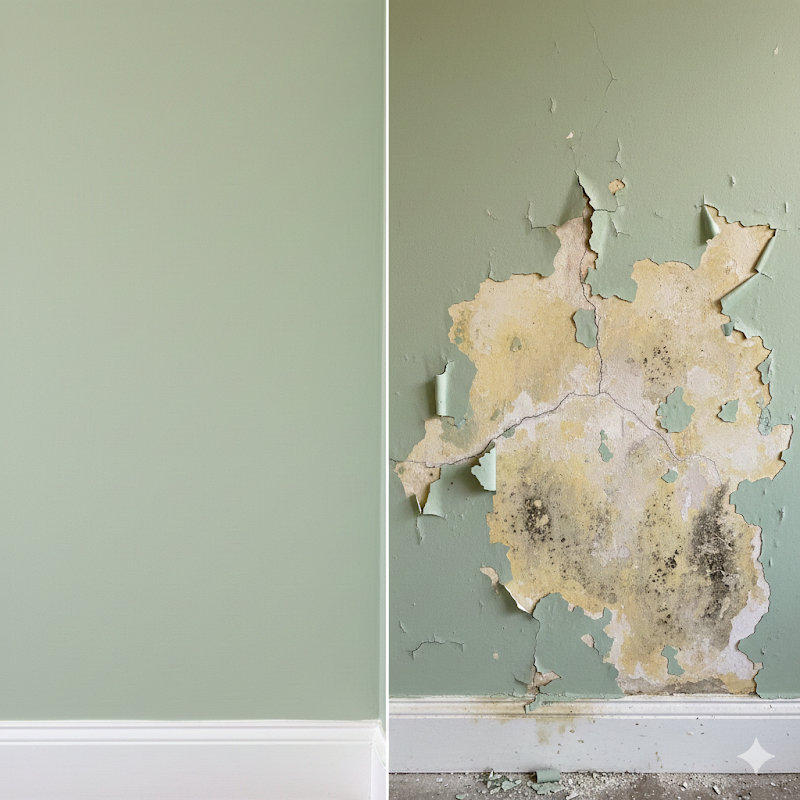
A fresh coat of paint should last years, not months. Yet many homeowners in Singapore end up with peeling walls, uneven colour, and patchy finishes — all because of avoidable house painting mistakes. Whether you are repainting your HDB flat or refreshing a landed property, the wrong approach wastes both time and money.
Singapore’s tropical climate makes these errors even more damaging. High humidity and intense UV exposure punish poor technique fast. Here are seven house painting mistakes that affect your finish and durability — and exactly how to avoid each one.
Key Takeaways
- Painting preparation mistakes like skipping cleaning and sanding are the top cause of paint failure
- Choosing the wrong paint finish type for a room leads to early wear and scuffing
- Humidity and paint do not mix well — painting without ventilation traps moisture and causes blistering
- Cheap brushes and poor roller technique leave visible streaks and uneven coverage
- The professional painting benefits include longer-lasting results, proper product selection, and expert surface preparation
1. Painting Preparation Mistakes That Lead to Peeling and Flaking
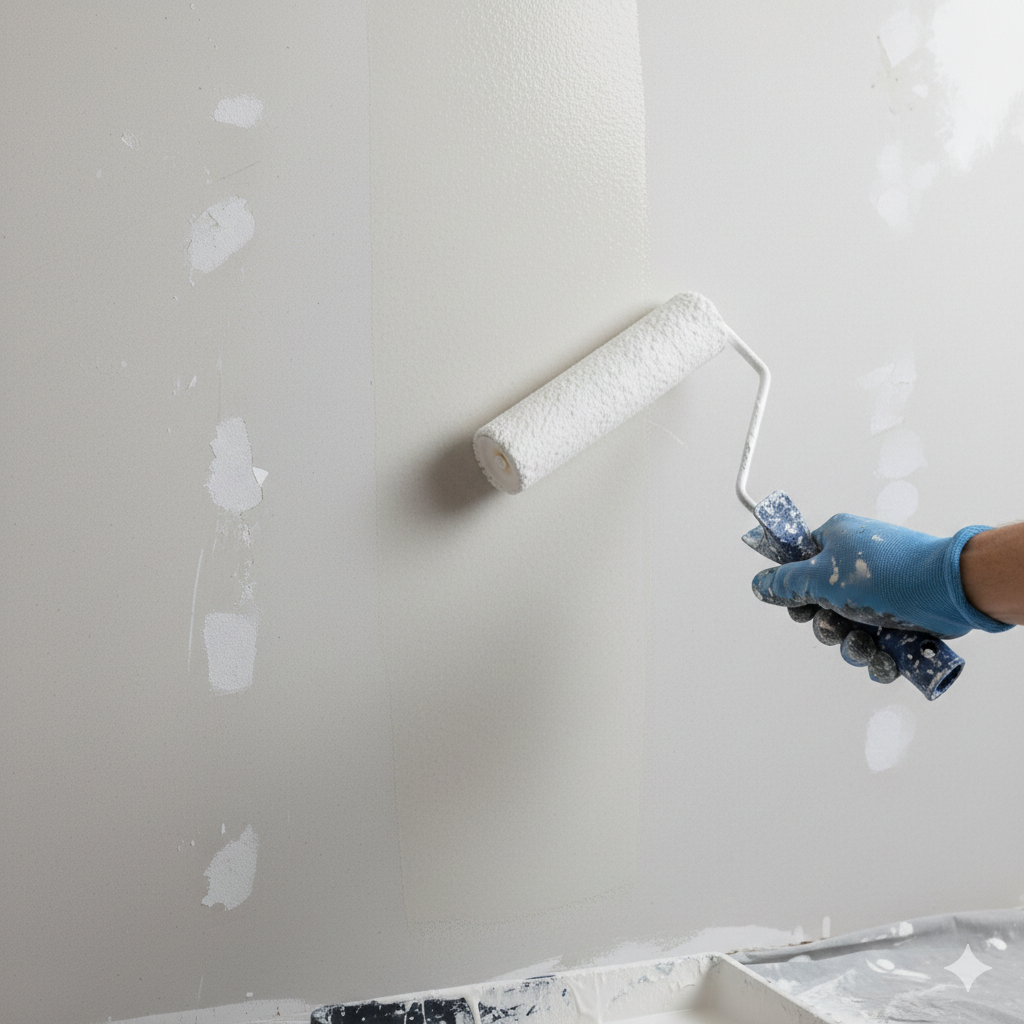
If there is one rule every professional painter follows, it is this: never skip preparation. Painting preparation mistakes are the single biggest reason paint fails early. When dust, grease, or old flaking paint sits on a wall, the new coat cannot bond to the surface. The result is peeling, bubbling, and flaking — sometimes within weeks.
In Singapore, this problem is worse. The year-round humidity means walls collect moisture and grime faster than in drier climates. If you paint over a dirty or damp surface, paint adhesion drops dramatically.
Proper surface preparation includes:
- Wiping walls down with a damp cloth to remove dust and grease
- Scraping off any cracked or flaking old paint
- Sanding glossy surfaces lightly so the new coat grips
- Filling cracks and holes with filler, then sanding smooth
For walls with deep cracks or uneven textures, professional wall plastering creates the smooth base a quality paint job needs. Skipping this step is one of the most common paint peeling causes in older HDB flats and condominiums.
Research published in the Journal of Coatings Technology and Research confirms that surface contaminants reduce coating adhesion by up to 50%. That one statistic explains why preparation matters more than the paint itself.
2. Why Skipping Primer Causes DIY Painting Problems
Many homeowners skip primer to save time. This is one of the most costly DIY painting problems you can create. Primer is not just an extra coat. It serves three critical functions:
- Seals porous surfaces — bare concrete, new plaster, and raw wood absorb paint unevenly without primer
- Blocks stains — water marks, smoke damage, and tannin bleed-through show through topcoats if not sealed
- Improves paint adhesion — primer gives the topcoat a uniform surface to grip
Primer application is non-negotiable when you are painting over new plaster, switching from a dark colour to a light one, or coating bare wood or concrete. A common error is assuming that “paint-and-primer-in-one” products replace a dedicated primer on raw surfaces. They do not. These combination products work best on previously painted walls in good condition.
In Singapore’s HDB painting projects, skipping primer on freshly plastered walls is especially risky. The high moisture content in new plaster needs a proper sealing coat before any topcoat goes on.
3. How the Wrong Paint Finish Affects Durability in Every Room
Choosing the wrong paint finish type is a subtle but damaging house painting mistake. Every finish has a purpose, and using the wrong one in the wrong room leads to premature wear, difficult cleaning, or an unflattering look.
Here is a quick guide:
| Room | Recommended Finish | Why |
| Kitchen and bathroom | Satin or semi-gloss | Resists moisture; easy to wipe clean |
| Bedroom and living room | Eggshell | Slight sheen; hides minor wall flaws |
| Ceiling | Flat/matte | Conceals imperfections; no glare |
| Trim, doors, and window frames | Semi-gloss | Durable; withstands daily contact |
Using a flat finish in a kitchen, for instance, means grease splatters become permanent stains. On the other hand, applying gloss paint to a textured wall highlights every bump and crack.
If you are unsure which finish suits your space, Athena Best Painting‘s interior painting service includes finish consultation tailored to each room. For guidance on which products hold up best on local walls, read our guide to the top paint brands for HDB walls.
4. Painting in Singapore’s Humidity Without Proper Planning
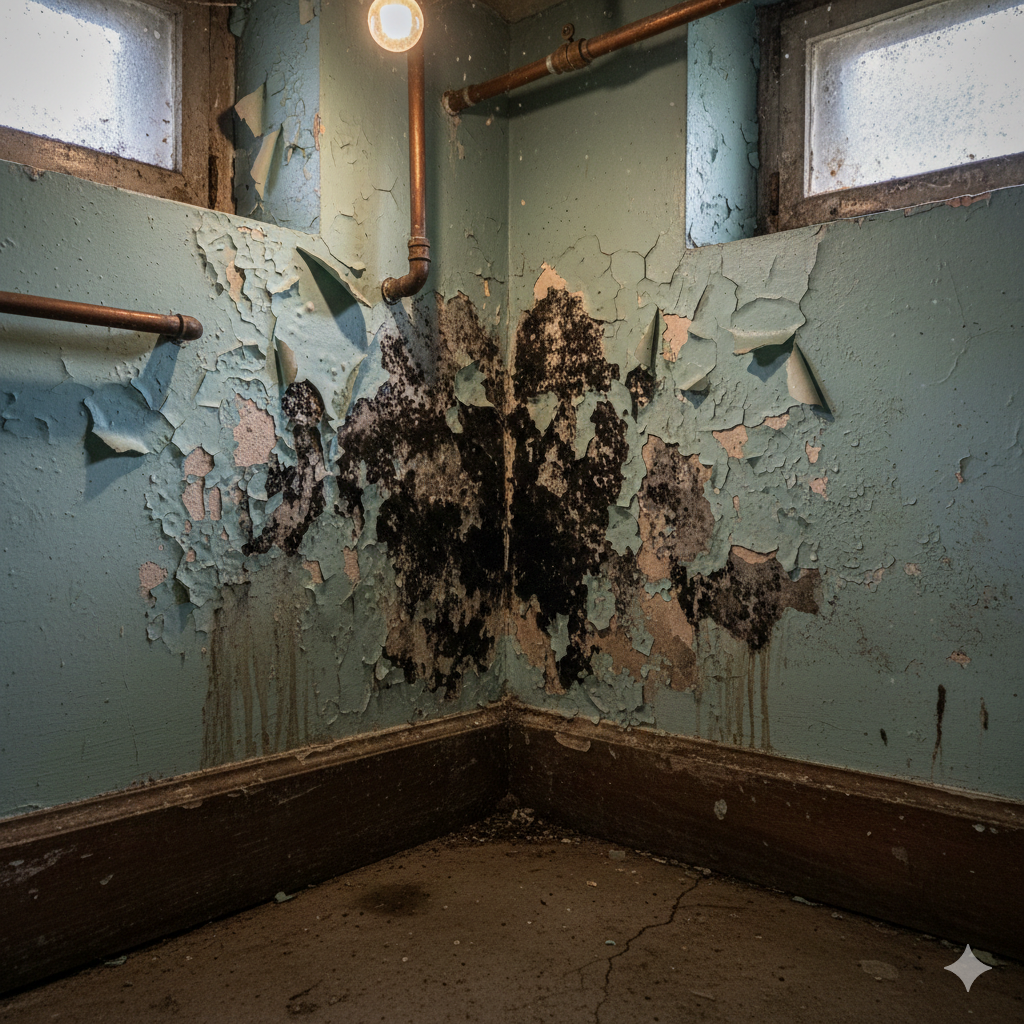
This is the house painting mistake that most online guides overlook — because most are written for temperate climates. Singapore is different. With average relative humidity sitting between 80% and 85% year-round, humidity and paint are in constant conflict here.
When you paint in high humidity, moisture gets trapped beneath the paint film. This leads to:
- Blistering and bubbling on the surface
- Mould growth behind the paint layer
- Slow or uneven drying that causes sticky patches
Tropical climate painting requires planning around the weather. Paint during the drier hours of the day, typically between late morning and early afternoon. Use fans or a dehumidifier to improve air circulation indoors. Choose moisture-resistant paint formulations designed for tropical conditions.
Painting during the monsoon season without ventilation is one of the most common DIY painting problems in Singapore. The National Environment Agency (NEA) reports that humidity regularly exceeds 90% during heavy rain periods. Under these conditions, water-based paints simply cannot cure properly.
This is where professional painting benefits become clear. Experienced painters schedule work around weather windows and control drying environments — something most DIY homeowners do not plan for.
5. How Cheap Brushes and Bad Roller Technique Ruin Your Paint Job
You can buy premium paint and still end up with a poor finish if your tools and technique let you down. Using worn-out brushes or the wrong roller nap is a house painting mistake that shows up immediately.
Common tool and technique errors include:
- Frayed brushes that leave streaks and shed bristles into wet paint
- Wrong roller nap — a thick nap adds unwanted texture to smooth walls; a thin nap leaves patchy coverage
- Overloading the brush or roller — too much paint causes drips, splatter, and an uneven coat
For a smooth finish, follow this approach:
- Dip your brush only one-third of the way into the paint
- Roll in a “W” or “M” pattern to spread paint evenly before smoothing out
- Work in small sections of about one square metre at a time
- Avoid going back over areas that have started drying
Good roller technique makes a visible difference, especially on large wall surfaces. Family Handyman notes that overworking paint after it begins to dry is one of the most common causes of unsightly brush marks and ridges.
For exterior painting projects where surfaces are larger and conditions less controlled, proper technique matters even more.
6. Why Skipping a Second Coat Creates Visible DIY Painting Problems
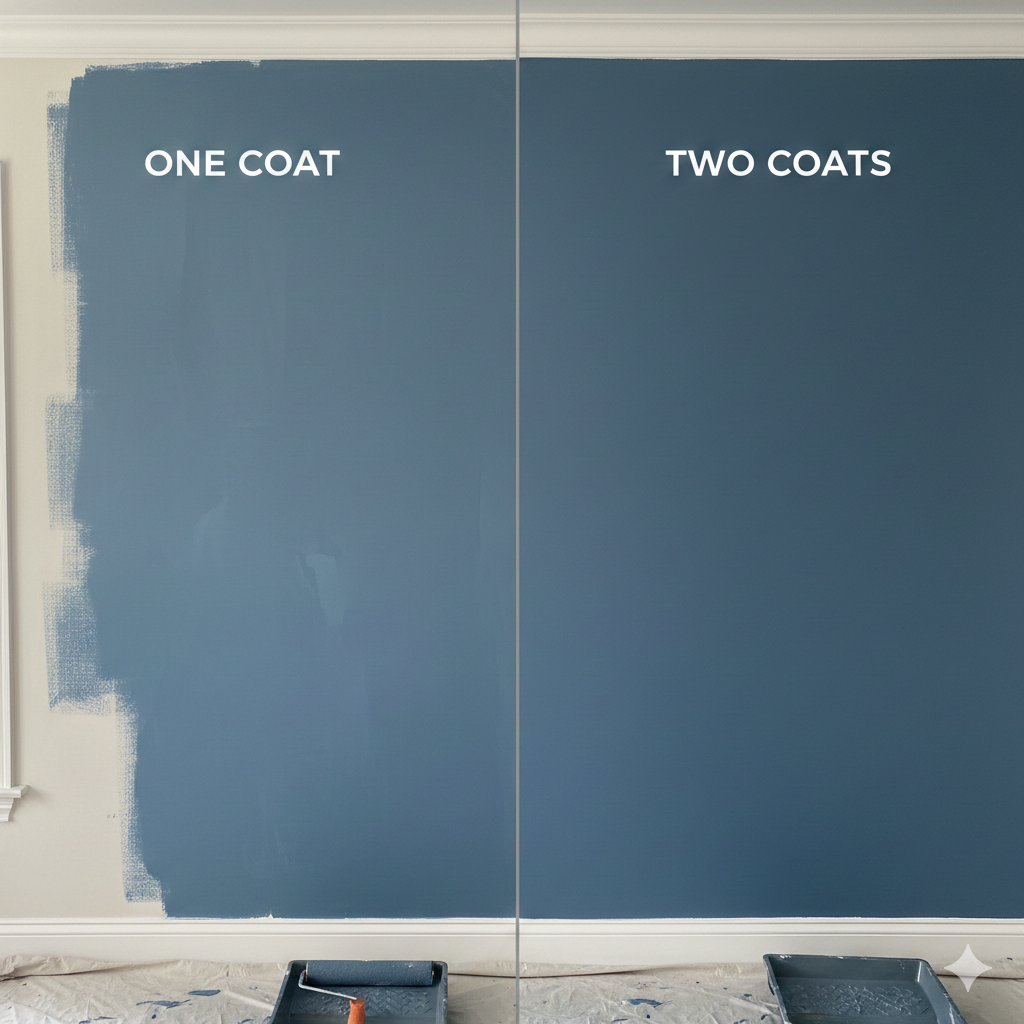
“One-coat coverage” is a marketing promise, not a reliable outcome. In practice, a single coat almost never delivers full, even colour. Skipping the second coat is a frequent DIY painting problem that results in patchy walls and inconsistent tones.
Equally damaging is applying the second coat too soon. When the first coat has not fully dried, the second layer pulls at the surface beneath. This causes:
- Peeling and lifting
- Visible brush marks and drag lines
- Colour that looks blotchy once fully cured
Coat drying time varies by product, but most water-based paints need at least 2 to 4 hours between coats. In Singapore’s humid conditions, that drying window stretches longer. When in doubt, wait a full 24 hours.
Rushing to finish a full room over a single weekend is one of the top reasons DIY painting problems appear within the first year. Patience during the drying stage protects the finish for years to come.
7. The Painting Mistake Most Homeowners Make After the Job Is Done
Here is a mistake almost no one talks about: neglecting your walls after the paint dries. A quality paint job still needs routine care. Without it, even professional painting benefits fade faster than they should.
In Singapore’s climate, walls face constant humidity, cooking fumes, and dust. Over time, this takes a toll. Simple maintenance habits make a big difference:
- Wipe walls gently with a damp cloth every few months to prevent grime buildup
- Address scuff marks and small chips early with touch-up paint
- Store leftover paint in a cool, dry place with the lid sealed tightly for future use
- Inspect bathrooms, kitchens, and corridor-facing walls for mould every 6 to 12 months
Knowing when to touch up versus when to repaint saves money. Small scuffs and chips need a quick dab of matching paint. But widespread peeling, fading, or mould means it is time for a fresh job.
Athena Best Painting’s maintenance painting service helps homeowners keep their walls looking fresh between full repaints. Regular upkeep extends a quality paint job by several years — a simple investment that pays for itself.
The Professional Painting Benefits of Getting It Right the First Time
Some painting projects suit a DIY approach — a single accent wall or a quick touch-up, for instance. But for full rooms, exteriors, high ceilings, or complete HDB painting refreshes, the professional painting benefits are significant.
A professional team handles every step that matters:
- Thorough surface preparation and wall repair
- Correct primer application for the surface type
- Product selection matched to Singapore’s tropical climate painting conditions
- Weather scheduling to avoid humidity-related failures
- Proper tools and roller technique for a flawless finish
A well-executed professional paint job in Singapore lasts 5 to 7 years. A rushed DIY job often needs redoing within 1 to 2 years. When you factor in the cost of rebuying materials and the time spent repainting, professional work is the more cost-effective choice.
Frequently Asked Questions
What is the most common mistake when painting a house?
Skipping surface preparation. Dust, grease, and old flaking paint prevent the new coat from bonding. This leads to peeling and flaking within months — the most widespread of all house painting mistakes.
Can you paint over old paint without sanding?
Only if the existing paint is in good condition, clean, and not glossy. Oil-based or high-gloss surfaces must be lightly sanded first. Otherwise, the new paint will not adhere properly.
Why does my house paint keep peeling in Singapore?
Humidity and paint are the most common culprits. Moisture trapped beneath the film causes blistering and peeling. Poor ventilation, skipped primer application, and inadequate preparation all contribute to the problem.
Ready to Avoid These House Painting Mistakes? Talk to Our Team
Do not let avoidable house painting mistakes cost you time and money. Whether you need a full repaint, wall repair, or expert advice on paint finish types, Athena Best Painting Services is here to help.
- Phone: +65 9247 1009
- Email: athenateamcleaning@gmail.com
- Address: 2 Venture Drive, #14-02, Vision Exchange, Singapore 608526
Explore our services: Interior Painting | Exterior Painting | Wall Plastering | Maintenance Painting | Specialised Finishes