

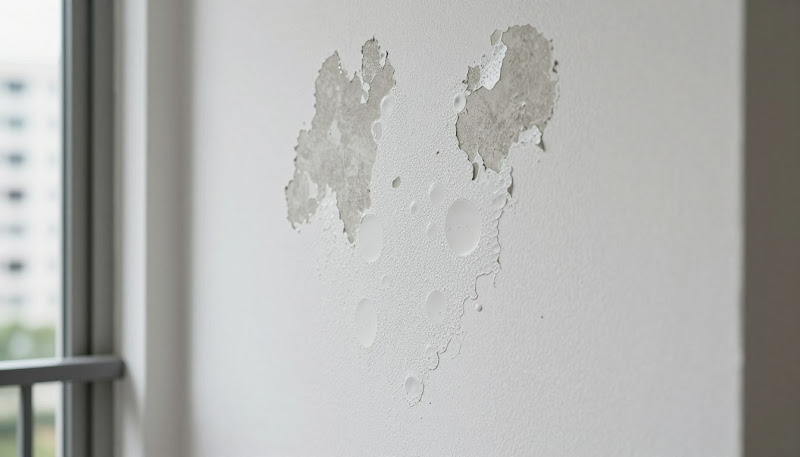
You finished your painting project three months ago. The walls looked perfect. Now you notice small bubbles forming near the window. Within weeks, entire sections start peeling. This scenario happens to thousands of Singapore homeowners every year. Painting problems in Singapore are not random occurrences.
They result from specific factors related to our tropical climate, poor workmanship, and unsuitable materials. Understanding why paint fails helps you avoid expensive rework and frustration. Most peeling paint situations can be prevented with proper knowledge and the right contractor.
Key Takeaways
- Singapore’s humid climate creates unique challenges for paint adhesion and longevity
- Poor surface preparation causes 80% of premature paint failure in tropical environments
- Signs of poor painting workmanship appear within the first six months
- Choosing quality materials costs more upfront but saves money long-term
- Professional painters with local experience deliver lasting results
How Singapore’s Humid Climate Destroys Paint Jobs Faster
Singapore experiences humidity levels between 70% and 90% throughout the year. This constant moisture affects how paint adheres to surfaces. Water vapour penetrates through walls, especially in older buildings. When moisture gets trapped between the wall and the paint layer, bubbles form. These bubbles eventually burst, causing peeling.
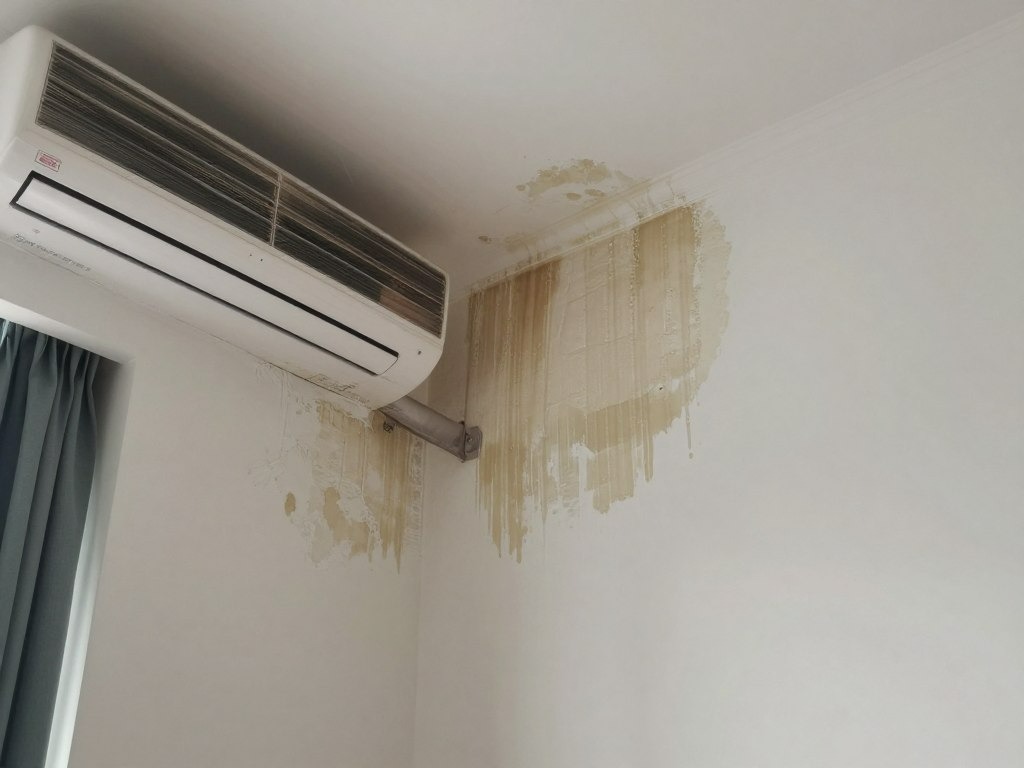
Temperature fluctuations compound the problem. Singapore’s humid climate combines high heat with sudden cooling from air conditioning. This expansion and contraction cycle stresses the paint layer. Over time, the bond weakens. The paint loses flexibility and starts cracking.
Moisture Migration Through Walls
External walls face constant exposure to rain and sun. Water seeps through tiny cracks in concrete or brick. Internal walls absorb moisture from bathrooms and kitchens. Without proper surface preparation, this moisture becomes trapped. A 2019 study published in the Journal of Building Engineering found that buildings in tropical climates experience 3-4 times more moisture-related paint failures compared to temperate regions.
Paint systems need to breathe. Moisture must escape through the coating. Standard economy paint products often lack breathability. They create a sealed layer that traps water. Professional-grade paint designed for humid climates allows controlled moisture transmission. This prevents bubbling and flaking.
Common Climate-Related Issues
- Bubbling from trapped moisture
- Mildew and mold growth on surfaces
- Chalking from UV exposure
- Colour fading in direct sunlight
- Adhesion failure in bathrooms
- Cracking near air-con units
The Hidden Cost of Poor Surface Preparation
Rushing through surface prep saves time and money initially. This shortcut guarantees failure later. Proper surface preparation takes 60-70% of the total project time. Many contractors skip essential steps to complete jobs faster. Homeowners cannot see the difference until the paint starts peeling.
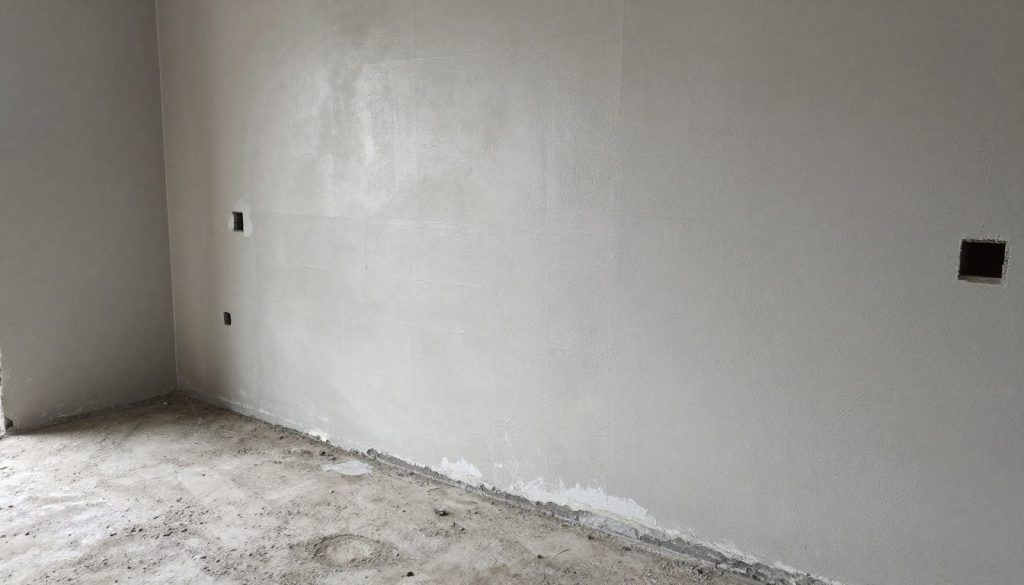
What Proper Surface Prep Actually Involves
Professional preparation starts with thorough cleaning. Surfaces must be free from dust, grease, and loose particles. Next comes repair work. All cracks need filling with appropriate compounds. Uneven areas require sanding to be smooth. Only then can primer be applied.
Primer creates the essential bond between the wall and the topcoat. Different surfaces need different primer types. Concrete requires an alkaline-resistant primer. Wood needs oil-based formulations. Using the wrong primer or skipping it entirely causes adhesion problems. Research from the National University of Singapore’s Department of Building shows that proper surface preparation increases paint lifespan by 200-300% in tropical conditions.
| Preparation Step | Why It Matters | Skip Risk |
| Wall cleaning | Removes contaminants blocking adhesion | Paint peels within 3-6 months |
| Crack repair | Prevents moisture entry points | Water damage and mold growth |
| Sanding | Creates a mechanical tooth for bonding | Poor adhesion and flaking |
| Priming | Seals porous surfaces | Uneven finish and rapid wear |
| Drying time | Allows each layer to cure properly | Layers separate and bubble |
Seven Poor Painting Workmanship Signs Every Homeowner Must Know
Quality painting requires skill, patience, and attention to detail. Poor painting workmanship creates visible problems that worsen over time. Recognising these signs early helps you address issues before they become expensive repairs.
- Uneven Coverage and Colour Patches – Professional painters apply multiple thin coats for consistent colour. Amateurs use thick single coats that leave streaks. Patches of different shades indicate inadequate mixing or insufficient layering.
- Visible Brush or Roller Marks – Proper technique leaves smooth surfaces. Brush strokes visible after drying show rushed application. Roller stipple patterns mean incorrect nap length for the surface type.
- Drips and Runs – Paint drips occur when too much material gets applied at once. They harden into permanent ridges. Professional work shows no drips anywhere, including behind radiators and under windowsills.
- Paint on Fixtures and Trim – Sloppy edge work leaves paint where it should not be. Check light switches, door handles, and window frames. Clean lines indicate careful masking and cutting-in technique.
- Bubbling or Blistering – Bubbles form when paint is applied over moisture or contaminants. They also appear when surfaces are not properly sealed. Blistering within weeks signals serious underlying problems.
- Premature Cracking – Hairline cracks developing soon after completion suggest incompatible products. They also indicate insufficient drying time between coats. Quality paint jobs remain crack-free for years.
- Peeling at Edges – Paint lifting from edges shows poor adhesion. This happens when the edges are not properly primed. It also occurs when the final coats do not overlap the base coats correctly.
How Long Should Quality Paint Last?
Professional interior painting in Singapore typically lasts 5-7 years. High-humidity areas like bathrooms may need refreshing sooner. Exterior paint facing weather elements requires renewal every 3-5 years. These timeframes assume proper application and maintenance.
Economy paint jobs fail much faster. Cheap materials and rushed work create problems within 6-18 months. Many homeowners discover they need complete repainting after just one year. This costs more than hiring professionals initially.
Why Cheap Paint Always Costs More Eventually
The price gap between economy and premium paint seems significant upfront. A typical three-bedroom HDB flat needs 20-25 litres of paint. Budget paint costs $15-25 per litre. Quality products range from $45-80 per litre. This $500-1400 difference tempts many homeowners toward cheaper options.
What You Actually Get With Poor Paint
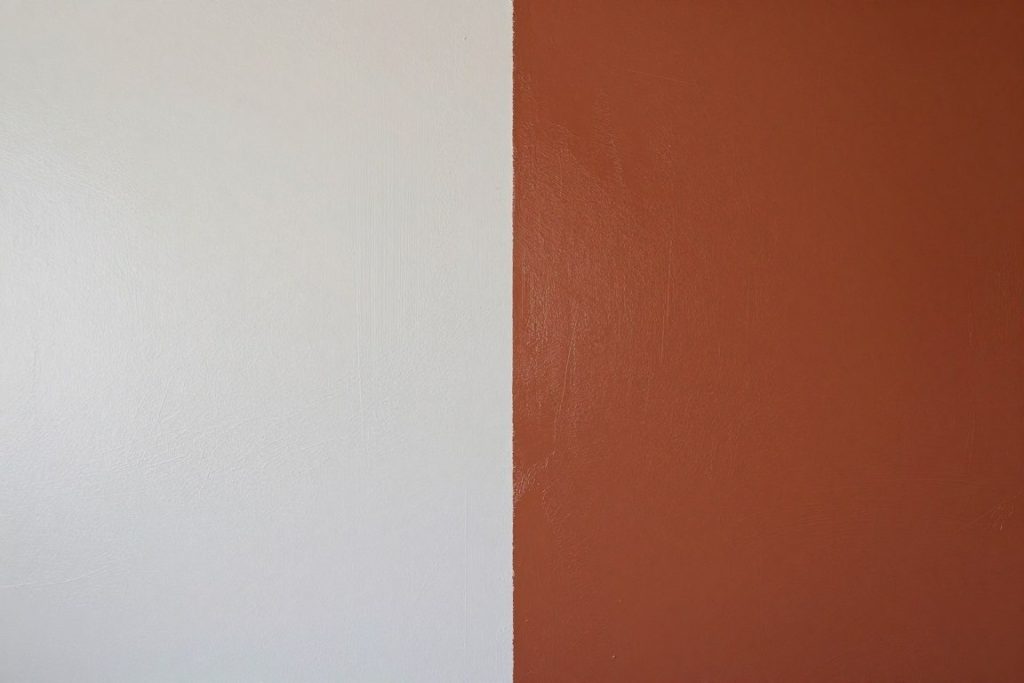
Budget paint contains less pigment and lower-quality binders. The coverage suffers significantly. Economy products need 3-4 coats, whereas premium paint requires only 2. The paint color appears washed out or inconsistent. Sheen levels vary across the wall.
Cheap formulations lack protective additives. They offer minimal resistance to mold and mildew. In Singapore’s climate, these problems appear quickly. The paint also degrades faster under UV exposure. Fading starts within months in areas with direct sunlight.
The True Cost Calculation
Budget paint needs replacement every 2-3 years in Singapore. Premium products last 5-7 years. Consider a 1000 square foot home. Budget paint job costs $1500. It requires repainting three times over 7 years, totalling $4500. Premium paint job costs $3000 once for the same period.
Add the inconvenience factor. Each repainting means moving furniture, covering items, and dealing with disruption. Multiple paint jobs multiply these hassles. The smell from cheap paint lingers longer and poses health concerns. Premium formulations cure faster with minimal odour.
“We tested various paint brands in accelerated weathering chambers simulating Singapore conditions. Premium products maintained 85-90% of their protective properties after 1000 hours. Economy brands dropped below 50% effectiveness within 400 hours.”
- Dr. Chen Wei, Materials Science Department, NUS
How to Choose a Painting Contractor in Singapore Who Delivers Quality
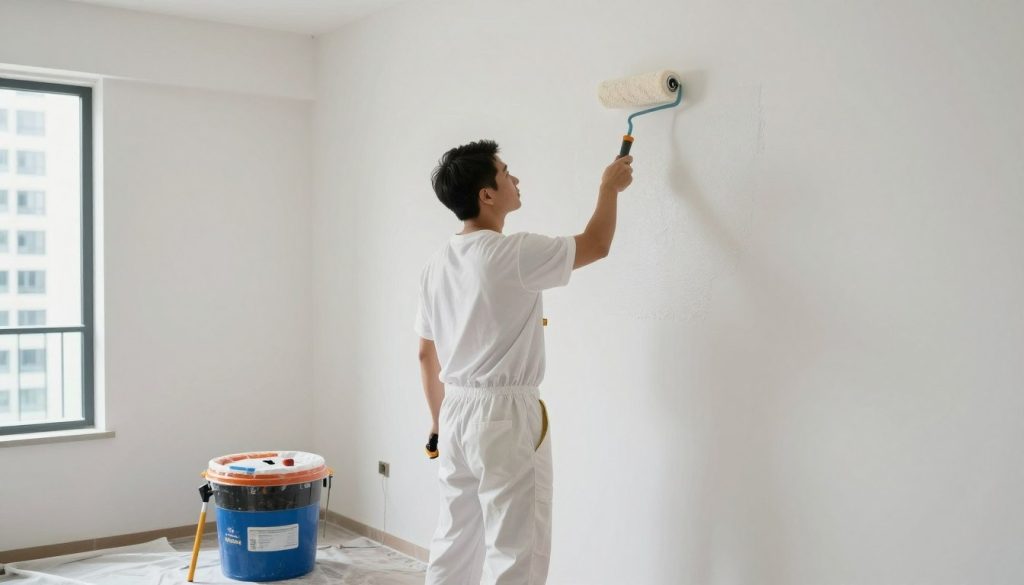
The contractor you select determines your paint job outcome more than any other factor. Singapore has hundreds of painting companies. Some deliver excellent work. Others leave homeowners with expensive problems. Knowing what to look for protects your investment.
Essential Credentials and Experience
Legitimate contractors hold proper business registration. They carry liability insurance covering property damage and worker injuries. Ask to see these documents before signing anything. Established companies willingly provide proof. Those who hesitate likely lack proper coverage.
Experience matters significantly in tropical conditions. A painting contractor with 5+ years in Singapore understands local challenges. They know which products work best. They recognise warning signs during inspection. New companies might offer lower prices but lack this essential knowledge.
Red Flags During Initial Contact
Several warning signs indicate potential problems. Extremely low quotes suggest cutting corners or hidden costs. Contractors who refuse written estimates lack professionalism. Pressure tactics demanding immediate decisions show questionable ethics. Legitimate businesses give you time to consider proposals.
Before Hiring
- Check business registration
- Verify insurance coverage
- Request client references
- Review past project photos
- Compare detailed quotes
During Project
- Monitor preparation steps
- Verify the material brands used
- Check drying time compliance
- Inspect each coat quality
- Document progress photos
After Completion
- Examine all surfaces thoroughly
- Test adhesion in hidden spots
- Confirm warranty terms
- Request maintenance guide
- Keep all documentation
Five Steps to Ensure Long-Lasting Wall Paint in Singapore
Quality paint jobs start with informed decisions. Following these steps significantly increases your chances of achieving long-lasting wall paint that maintains its appearance for years.
- Schedule During Dry Periods – Singapore experiences relatively drier months between February and April. Plan major painting projects during these periods. Lower humidity allows better curing. Avoid the monsoon season when possible.
- Invest in Climate-Appropriate Products – Select paint specifically formulated for tropical climates. Look for anti-fungal properties and moisture resistance. Premium brands offer Singapore-specific formulations. These products cost more but perform significantly better.
- Never Skip the Primer – Primer creates the essential foundation. It seals porous surfaces and improves adhesion. Different walls need different primers. Ensure your contractor uses appropriate products for each surface type.
- Allow Proper Drying Between Coats – Rushing between layers causes multiple problems. Each coat needs adequate time to cure. Follow manufacturer recommendations exactly. In humid conditions, add extra drying time. This patience prevents future peeling and bubbling.
- Maintain Proper Ventilation – Good airflow during and after painting helps moisture escape. Keep windows open when the weather permits. Use fans to circulate air. Control indoor humidity with dehumidifiers in problematic areas. These steps protect your investment long-term.
Singapore House Painting Mistakes That Guarantee Failure
Even with good intentions, homeowners make decisions that doom painting projects. Understanding these common errors helps you avoid them.
1. Choosing Contractors Based Only on Price
The lowest quote rarely delivers the best value. Cheap contractors cut corners somewhere. They might use inferior materials or skip essential preparation steps. They hire inexperienced workers who lack proper training. The initial savings disappear when you need a complete redo within months.
Quality contractors charge fair rates that reflect proper work. They cannot compete with artificially low prices and maintain standards. Extremely cheap quotes should raise concerns rather than excitement. Ask yourself how they achieve such low costs.
2. Attempting Complex DIY Projects
Simple touch-ups suit DIY approaches. Entire room repaints require professional skills. Many homeowners underestimate the complexity. They lack proper equipment and experience. The result shows uneven coverage and poor finish quality.
DIY mistakes often create more expense than hiring professionals initially. Fixing amateur work costs extra because contractors must undo problems first. They charge for both correction and proper application. This doubles your expense while wasting your time.
When DIY Goes Wrong
A 2020 survey of Singapore contractors found that 40% of their work involved fixing failed DIY projects. Homeowners spent an average of $800 on materials and 3 weekends of work, then paid $2500-3500 for professional correction. Hiring professionals initially would have cost $2000-2800.
3. Ignoring Underlying Problems
Paint covers symptoms but does not solve structural issues. Water stains indicate leaks that need fixing. Cracks signal foundation problems. Mold growth points to moisture issues. Painting over these problems guarantees failure.
Address root causes before painting. Fix leaks properly. Repair cracks structurally. Solve moisture problems. Only then can paint perform as intended. Skipping these steps wastes money on painting that will fail regardless of quality.
Frequently Asked Questions
What causes paint peeling on walls in humid climates?
Moisture is the primary cause of paint peeling in Singapore. Water penetrates through walls from external rain or internal condensation. When trapped between the wall and the paint layer, it breaks the adhesive bond. Poor surface preparation compounds this problem by preventing proper adhesion initially. Using low-quality paint without moisture resistance accelerates the peeling process. Proper preparation, quality primer, and climate-appropriate paint prevent most peeling issues.
How do I identify poor painting workmanship before paying the final payment?
Inspect walls carefully in good lighting before final payment. Look for uneven colour coverage, visible brush or roller marks, and drips on surfaces. Check edges around trim and fixtures for clean lines. Run your hand across walls to feel for rough patches or bumps. Examine corners and ceiling lines closely. Check behind furniture and in less visible areas where contractors might cut corners. Take photos of any concerns. Professional work appears smooth and consistent throughout.
Is expensive paint really necessary for Singapore homes?
Premium paint proves cost-effective long-term in Singapore’s climate. Quality formulations include mold inhibitors, moisture resistance, and UV protection essential for tropical conditions. They provide better coverage, requiring fewer coats. The finish lasts significantly longer, reducing repainting frequency. Budget paint might save $500-800 initially, but needs replacement every 2-3 years. Premium products last 5-7 years, saving money overall while providing better protection and appearance.
Protecting Your Investment in Quality Painting
Painting problems in Singapore stem from predictable causes. High humidity, inadequate preparation, cheap materials, and poor workmanship create failures. Understanding these factors empowers you to make better decisions. Quality paint jobs require proper investment in materials, skilled contractors, and adequate time.
The choice between cheap, quick fixes and lasting quality determines your experience. Budget approaches create ongoing frustration and expense. Professional work delivers years of satisfaction. Your walls deserve protection that withstands Singapore’s challenging climate. Invest wisely now to avoid expensive problems later.
Explore our services:
- Commercial Painting
- Exterior Painting
- Interior Painting
- Maintenance Painting
- Specialized Finishes
- Wall Plastering
- Contact Us now!
- Phone Number: +65 9247 1009
- Email Address: athenateamcleaning@gmail.com
- Address: 2 Venture Drive, #14-02, Vision Exchange, Singapore 608526