

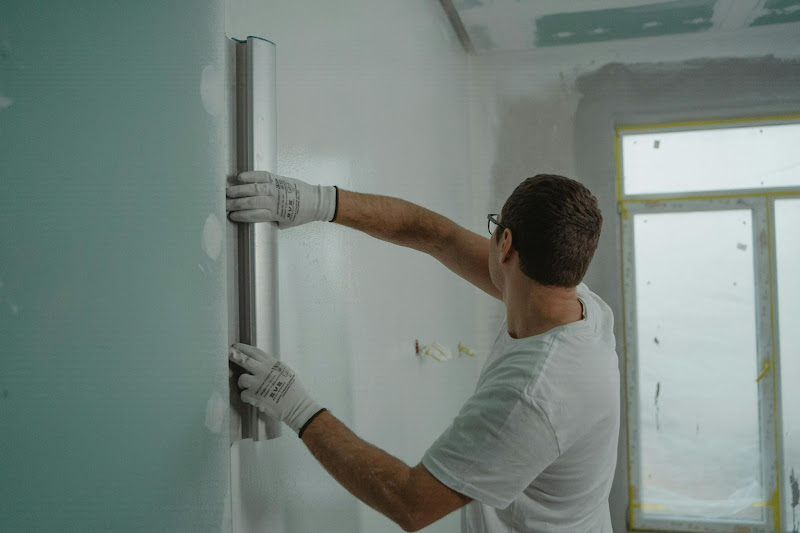
Your office walls tell a story about your business. Cracked, uneven, or poorly prepared surfaces create an unprofessional impression that no amount of premium paint can fix. This is where wall plaster in Singapore becomes essential for commercial spaces seeking polished, lasting results.
Professional plastering creates the foundation for flawless paintwork. Without proper surface preparation, even the most expensive paint will peel, bubble, or crack within months. This guide explains how specialised wall plastering transforms office interiors and why it matters before your next painting project.
Key Takeaways
- Plaster walls provide the smooth, stable surface that paint needs to adhere properly
- Skipping plastering leads to paint failure within 12–24 months
- Plastering wall cost depends on wall condition, surface area, and technique required
- Singapore’s high humidity makes proper plastering even more critical
- Professional painting services in Singapore always recommend plastering for commercial spaces
- Integrated plastering and painting services ensure consistent quality and accountability
Why Your Office Walls Need Professional Plastering Before Painting
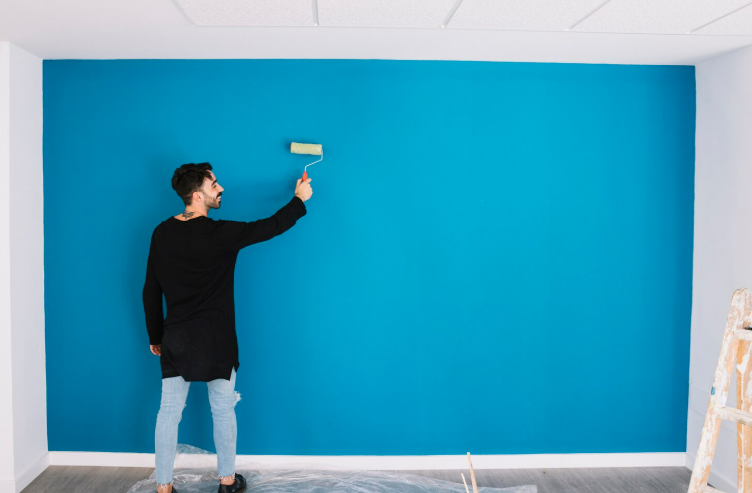
Think of plastering as the groundwork for your paint job. Just as a building needs a solid foundation, your walls need proper preparation to support a durable finish.
Plaster walls serve three critical functions:
- Fill imperfections: Cracks, holes, and uneven textures disappear under a smooth plaster layer
- Create uniform texture: Paint applies evenly across consistent surfaces
- Improve adhesion: Plaster provides the ideal grip for primers and paints
Industry research shows that surface preparation accounts for up to 80% of a coating’s long-term performance. Poor preparation is the leading cause of paint failure in commercial buildings.
Common Wall Problems in Singapore Office Buildings
Singapore’s urban environment creates specific challenges for office walls that require professional attention before painting can proceed successfully.
- Hairline cracks frequently appear from building settlement, particularly in older developments where structures have shifted over decades. These cracks may seem minor but allow moisture ingress and worsen progressively if left untreated.
- Moisture damage poses a persistent threat due to Singapore’s consistently high humidity levels averaging 80–90% throughout the year. This excess moisture penetrates wall surfaces, causing staining, mould growth, and deterioration of existing finishes.
- Bubbling and peeling commonly result from previous poor-quality paint applications where contractors skipped proper preparation steps. Paint applied over damp or inadequately primed surfaces loses adhesion and fails prematurely.
- Porous concrete surfaces, standard in many Singapore commercial buildings, absorb paint unevenly without proper sealing. This leads to patchy colour coverage, inconsistent sheen levels, and reduced paint longevity.
Professional wall plaster services in Singapore address each of these issues systematically, creating properly prepared surfaces ready for lasting, flawless paintwork.
Learn more about our professional wall plastering services
How Singapore’s Climate Affects Your Walls and Paint
This is something many office managers overlook. Singapore’s tropical climate directly impacts how paint performs on your walls.
The Humidity Factor
With average humidity levels exceeding 80% year-round, moisture is constantly trying to penetrate your walls. When walls are not properly plastered:
| Problem | What Happens | Result |
| Moisture ingress | Water vapour passes through porous surfaces | Paint bubbles and peels |
| Trapped moisture | Humidity gets sealed under paint layers | Mould growth behind walls |
| Temperature cycling | Air conditioning creates hot-cold fluctuations | Cracks develop over time |
Plaster walls act as a protective barrier. Quality plastering creates a denser surface that resists moisture penetration whilst still allowing walls to breathe naturally.
Painting directly over unprepared walls in Singapore’s climate typically results in visible damage within 12–18 months. Properly plastered surfaces extend paint life to 5–7 years or longer, making the initial investment worthwhile.
Types of Wall Plastering Techniques for Office Interiors
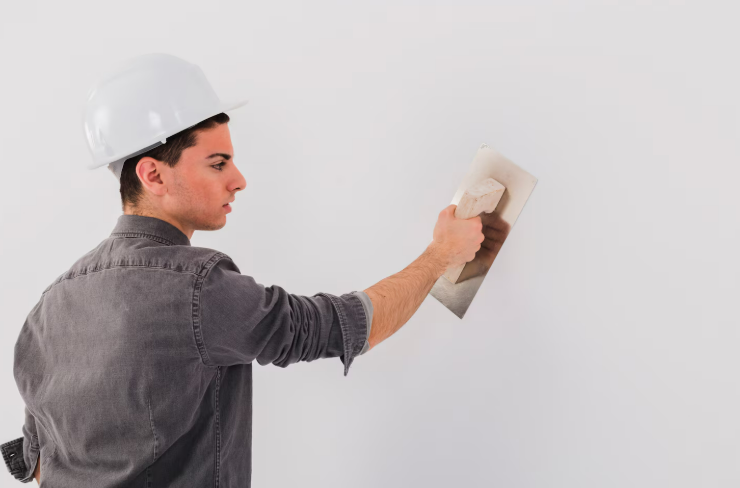
Not all plastering jobs are the same. The technique depends on your wall condition and desired finish.
1. Skim Coating for Minor Imperfections
Best for: Walls with minor cracks, small holes, or texture inconsistencies
Skim coating applies a thin plaster layer (2–3mm) over existing surfaces. It is the fastest and most cost-effective option for offices needing a quick refresh.
Advantages:
- Completed within 1–2 days for typical office spaces
- Minimal disruption to business operations
- Lower plastering wall cost compared to full replastering
2. Full Plastering for Damaged Walls
Best for: Deep cracks, water damage, or walls requiring structural repair
Full plastering involves multiple layers built up over several days. The process includes hacking away damaged material, applying base coats, and finishing with a smooth top layer.
When you need full plastering:
- Walls over 20 years old without resurfacing
- Visible structural cracks wider than 2mm
- Water damage or damp patches present
- Previous repairs showing through existing paint
3. Decorative Plastering for Premium Spaces
Best for: Reception areas, boardrooms, and executive offices
Decorative techniques like Venetian plaster or polished finishes add sophistication to high-visibility spaces. Textured surfaces bring warmth and visual interest to commercial interiors, making them popular choices for Singapore CBD offices seeking distinctive aesthetics.
Explore our commercial painting services for complete office transformations
Understanding Plastering Wall Cost in Singapore
Budget planning requires understanding what influences pricing. Here is a straightforward breakdown.
Factors That Determine Cost
| Factor | Impact on Price |
| Wall condition | Damaged walls cost more to repair than walls needing only skim coating |
| Surface area | Larger spaces benefit from economies of scale |
| Plastering type | Decorative finishes cost more than standard smooth plaster |
| Accessibility | High ceilings or difficult access areas increase labour time |
| Timeline | Urgent projects may incur premium charges |
General Price Expectations
Rather than fixating on the lowest quote, consider value over time. The plastering wall cost should be weighed against:
- Longevity: Proper plastering extends paint life by 3–5 years
- Rework avoidance: Poor plastering leads to costly repairs within 1–2 years
- Business disruption: Getting it right the first time minimises operational interruption
Construction industry data indicates that rework due to inadequate surface preparation costs 2–3 times more than doing the job correctly initially.
The False Economy of Cheap Plastering
Cutting corners on plastering is a costly mistake. When inexperienced workers rush the job:
- Plaster cracks during curing
- Paint fails to adhere properly
- Imperfections show through the finished surface
- You pay twice — once for the poor job, again for repairs
Quality painting services in Singapore understand this connection and recommend appropriate plastering before any paint touches your walls.
The Step-by-Step Professional Plastering Process
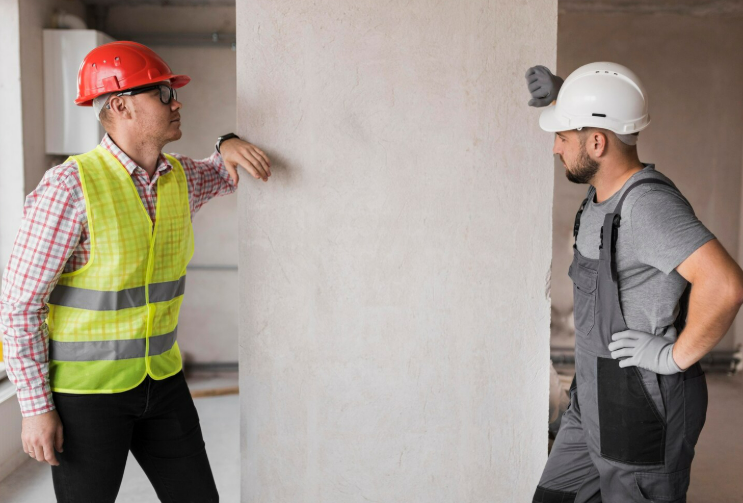
Understanding the plastering process helps you recognise quality workmanship and sets realistic expectations for your office renovation timeline. Cutting corners at any stage leads to problems that surface months later, so knowing what to look for ensures you receive the durable results your investment deserves. Here is how professional contractors approach office wall plastering in Singapore.
Step 1: Assessment and Planning
Experienced technicians begin by inspecting all walls thoroughly, identifying cracks, moisture issues, uneven areas, and overall surface conditions. They check for underlying problems like water seepage or structural movement that could compromise new plasterwork.
This comprehensive evaluation determines the most appropriate plastering method and materials for your specific situation. The assessment also helps contractors provide accurate quotations and realistic timelines before work begins.
Step 2: Surface Preparation
Proper preparation is essential for plaster adhesion and long-term durability. Technicians remove all loose paint, dust, debris, and any damaged or flaking plaster from the wall surfaces.
For severely compromised walls, sections may need to be hacked back completely to the brick or concrete base. This labour-intensive step often gets rushed by less professional contractors, but skipping thorough preparation guarantees premature failure of the new plasterwork.
Step 3: Priming and Bonding
Specialised bonding agents are applied to ensure new plaster adheres securely to existing surfaces. These products create a chemical and mechanical bond between the old substrate and fresh plaster materials.
This critical step prevents delamination, where plaster separates from the wall over time due to poor adhesion. Different bonding agents suit different substrates, so professionals select products matched to your specific wall composition.
Step 4: Base Coat Application
For full plastering projects, a base coat builds up the necessary thickness and addresses major surface imperfections. Skilled plasterers apply multiple thin layers rather than one thick application, as this technique reduces cracking and improves overall strength.
Each layer must be partially set before the next is applied, requiring patience and proper timing. The base coat establishes the wall’s flatness and corrects any unevenness in the underlying structure.
Step 5: Finishing Coat
The final finishing layer creates the smooth, flawless surface your paint requires for a professional appearance. Skilled plasterers use specialised techniques and tools to achieve near-perfect flatness at this stage.
This coat is applied thinner than base layers and requires considerable expertise to execute properly. The quality of this finishing work directly determines how your final painted walls will look, making experienced craftsmanship essential.
Step 6: Curing Period
Fresh plaster needs adequate time to cure fully before any painting can begin. In Singapore’s humid climate, this typically takes 5–7 days, though thicker applications may require longer.
Rushing this stage traps moisture beneath paint, causing bubbling, peeling, and adhesion failure within months. Professional contractors conduct moisture testing with specialised meters to confirm the walls are genuinely ready for the next phase.
Step 7: Final Preparation
Once cured, light sanding removes any minor surface imperfections and creates a slightly textured profile for paint adhesion. Dust from sanding is thoroughly cleaned away before primer application.
The primer coat seals the porous plaster surface, preventing uneven paint absorption and ensuring consistent colour coverage. This final preparation step creates the ideal foundation for topcoats, ensuring your paint job looks flawless and lasts for years.
Benefits of Plastering Before Painting Your Office
Beyond surface-level aesthetics, properly plastered walls deliver substantial practical advantages for your business. Investing in quality plastering work pays dividends through improved durability, reduced maintenance costs, and enhanced workplace functionality. Here are the key benefits you can expect from professional wall preparation.
1. Professional Appearance
Smooth, well-plastered walls reflect light evenly across your office, eliminating the shadows and inconsistencies that highlight surface imperfections. This creates a polished, professional environment that makes a strong first impression on clients and visitors.
Employees also benefit from working in well-finished surroundings, with studies showing that quality workplace aesthetics positively influence morale and productivity.
Uneven or damaged walls, by contrast, project an image of neglect that can undermine confidence in your organisation. The investment in proper plastering establishes a visual foundation that elevates your entire office interior.
2. Extended Paint Life
Paint bonds far more effectively to properly prepared plaster surfaces than to damaged or uneven walls. With quality plastering underneath, you can expect 5–7 years between repainting cycles, compared to just 2–3 years for paint applied over poorly prepared surfaces. This extended lifespan translates directly into cost savings and reduced disruption to your business operations over time.
Properly plastered walls also resist scuffing, chipping, and wear better than inadequately prepared alternatives. The upfront investment in thorough preparation ultimately delivers significant long-term value through lower maintenance requirements.
3. Improved Indoor Environment
Plastered walls provide noticeably better sound insulation compared to bare or poorly finished surfaces, reducing noise transfer between office spaces. This acoustic benefit supports concentration and productivity, particularly in open-plan environments where sound management matters. Additionally, quality plasterwork contributes to improved thermal performance by creating a more consistent barrier against heat transfer.
In air-conditioned Singapore offices, this enhanced insulation supports energy efficiency and helps maintain comfortable temperatures throughout the day. These functional improvements make your workspace more pleasant while potentially reducing operational costs.
4. Property Value Protection
Well-maintained interiors with quality wall finishes help protect and support rental rates for commercial properties. Prospective tenants and buyers recognise the value of properly finished spaces, often willing to pay premium rates for move-in ready offices. For commercial property owners, investing in professional plastering represents a measurable return on investment through sustained property valuations.
Neglected walls with visible damage, conversely, create negative impressions that can drive down offers and extend vacancy periods. Quality plastering work preserves your property asset and positions it favourably in Singapore’s competitive commercial real estate market.
Signs Your Office Walls Need Plastering
Not sure if your walls need attention? Watch for these indicators:
- Cracks appearing despite recent painting
- Paint peeling or bubbling, especially near windows or air conditioning units
- Uneven texture visible under office lighting
- Hollow sounds when tapping walls (indicates delamination)
- Damp patches or musty odours
- Previous patch repairs showing through current paint
- Walls last plastered more than 15 years ago
If you notice two or more signs, professional assessment is recommended before your next paint job.
Choosing Quality Wall Plastering and Painting Services in Singapore
Selecting the right provider ensures your investment delivers results.
What to look for:
- Experience with commercial and office projects
- Integrated services covering both plastering and painting
- Clear, detailed quotations with no hidden costs
- Portfolio of completed Singapore projects
- Positive client testimonials
- Proper licensing and insurance coverage
- Warranties on workmanship
Why integrated services matter:
When one company handles both plastering and painting, you benefit from seamless coordination, single-point accountability, and consistent quality standards. There is no finger-pointing between contractors if issues arise.
Frequently Asked Questions About Wall Plastering in Singapore
How long does wall plastering take to dry before painting?
In Singapore’s humid tropical climate, freshly plastered walls typically require 5–7 days to cure fully before painting can begin. High humidity levels slow down the drying process, while good ventilation and air conditioning can help speed things up. Thicker plaster applications naturally take longer to dry compared to thin skim coats, so timing varies by project. Professional contractors conduct moisture testing using specialised meters to ensure walls are ready, preventing premature paint application. Rushing this step leads to paint bubbling, peeling, and adhesion problems that require costly rework down the line.
Can I paint directly over old plastered walls?
Whether you can paint directly over existing plaster depends entirely on the current wall condition. If the plaster is sound with no visible cracks, bubbling, or moisture damage, painting can proceed after thorough cleaning and proper priming. However, walls showing signs of peeling, hairline cracks, or water stains require repair or replastering before any paint is applied. Painting over compromised plaster simply masks underlying problems temporarily, with defects resurfacing within months. A professional assessment helps determine whether your walls need full replastering, spot repairs, or just surface preparation before painting.
Is plastering necessary for all office renovation projects?
Plastering is not always required for every office renovation project in Singapore. Newer buildings with walls in good condition may only need light skim coating to achieve a smooth, paint-ready surface. Older commercial buildings, however, typically require more extensive plastering work due to accumulated wear, settling cracks, and previous repair patches. The decision ultimately depends on your walls’ current state and the finish quality you want to achieve. A professional assessment helps determine the most appropriate approach, balancing plastering wall cost against long-term durability and aesthetic results.
What is the difference between plastering and skim coating?
Plastering and skim coating serve different purposes and involve varying material thicknesses. Traditional plastering applies thicker layers of 10mm or more to repair significant damage, fill deep holes, or build up wall surfaces from scratch. Skim coating, by contrast, applies thin layers of just 2–3mm to smooth out minor surface imperfections and create an even base for painting. Skim coating costs less and takes less time since it requires fewer materials and labour hours. The method your contractor recommends depends on your wall’s current condition and the level of finish you require.
How much does wall plastering cost in Singapore?
Plastering wall cost in Singapore varies based on several factors including wall condition, total surface area, technique required, and site accessibility. Simple skim coating for walls in reasonable condition costs less than full replastering, which in turn costs less than decorative textured finishes. Walls with extensive damage, high ceilings, or difficult access points require more labour and materials, increasing the overall price. Hidden issues like moisture damage or unstable substrates may also add to costs once work begins. Request a professional on-site assessment to receive accurate quotations tailored specifically to your office’s requirements.
Transform Your Office Interiors with Athena Best Painting Services
Ready to give your office walls the professional treatment they deserve? Athena Best Painting Services provides comprehensive plastering and painting solutions for Singapore businesses.
Our experienced team assesses your walls, recommends appropriate treatments, and delivers flawless results that last.
- Phone: +65 9247 1009
- Email: athenateamcleaning@gmail.com
- Address: 2 Venture Drive, #14-02, Vision Exchange, Singapore 608526
- Website: bestpaintingservices.sg
Explore Our Other Services:
Related Articles: